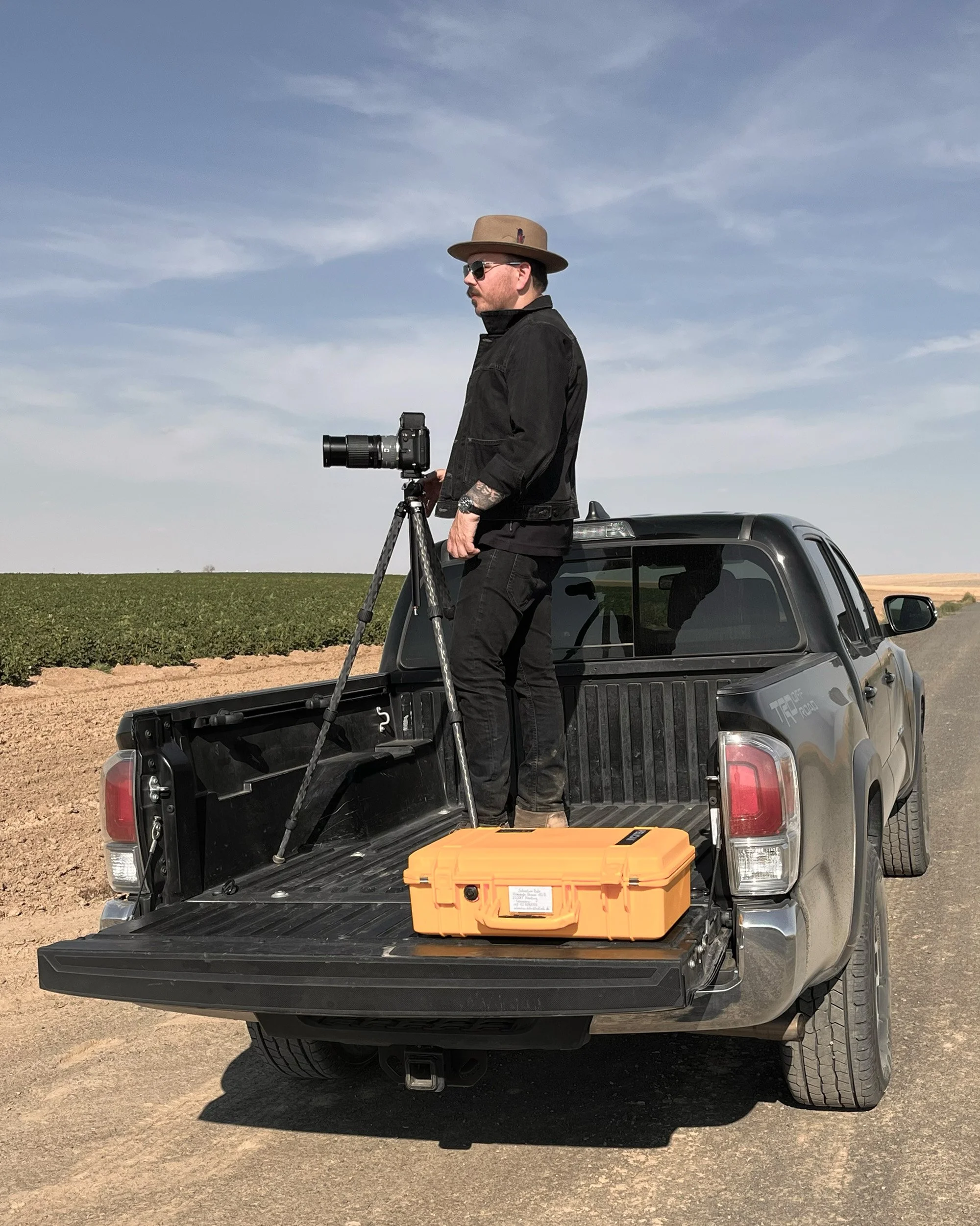
Sebastian Bahr
Sebastian Bahr is a documentary photographer based in Hamburg, Germany. He works on long-term projects in rural and peripheral regions, with a focus on the relationship between people, landscape, and the built environment.
His photographs are quiet and observational, with close attention to atmosphere, rhythm, and narrative. Photography, in this sense, is never isolated from personal experience, but shaped by what we have seen, read, and lived.
“I am interested in what a place looks like to the people who live there – what they might see on their way to work, from a kitchen window, or as part of an ordinary day.”
His work has been exhibited and published internationally.
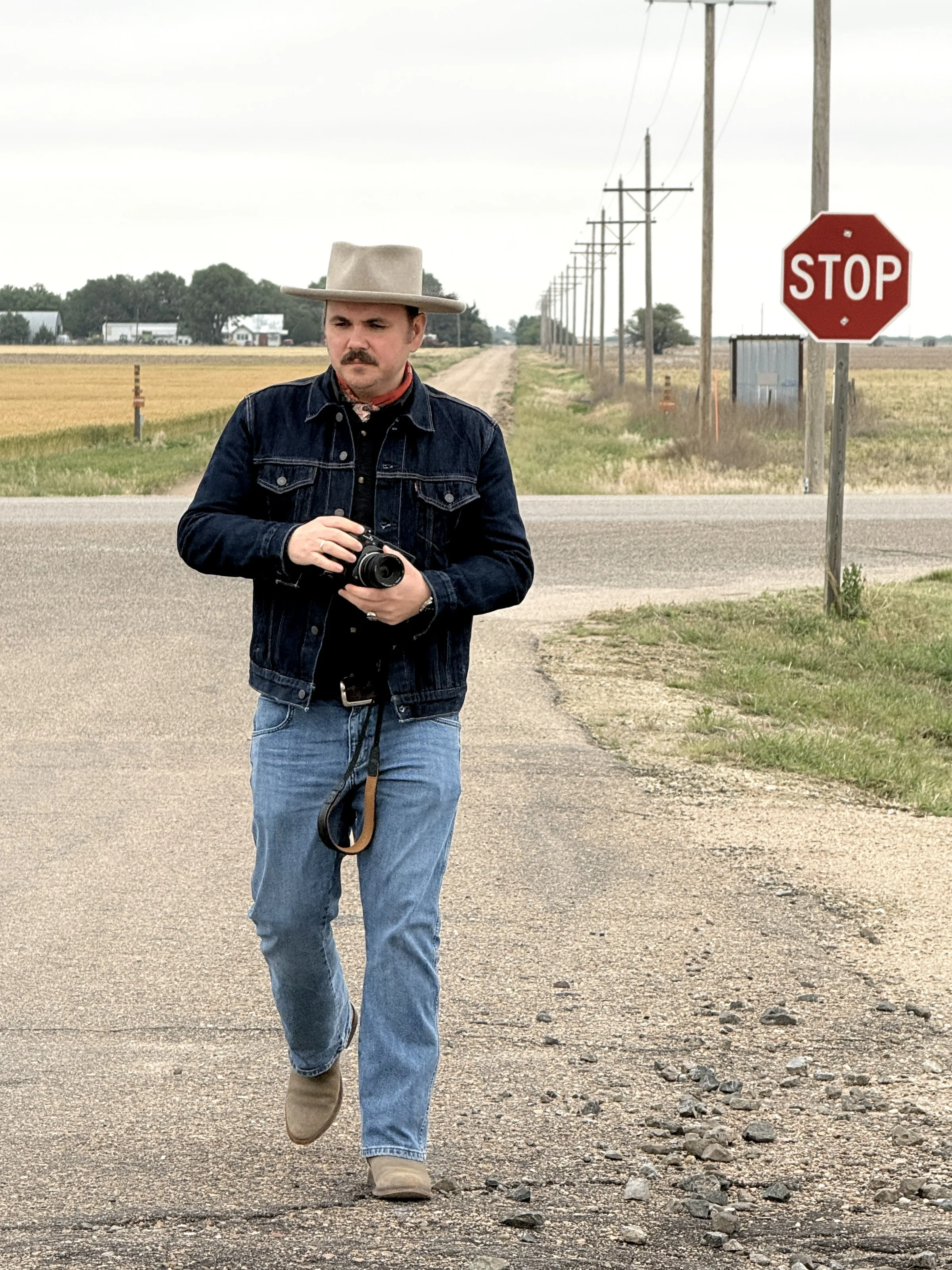
Artist Statement
I photograph rural and peripheral regions, focusing on how people shape and use the landscapes and built environments around them. Homes, roads, fields, workplaces, civic and religious buildings, infrastructure, and the spaces between them are recurring parts of the work.
People appear only occasionally in my photographs, but their presence is central to the work – visible in what is built, used, maintained, adapted, repaired, or left behind. These details can show how a place functions in everyday life and how it changes over time.
Social, political, and religious realities may form part of the environments I photograph, but I do not approach them with the intention of making a statement or passing judgment. I am interested in how they become visible in everyday life and in the physical environment.
Rather than reducing places to familiar narratives or stereotypes, I am interested in how they are actually lived and experienced. My photographs seek to observe without simplifying or prescribing how a place should be understood.