Road to the Midwest
Documentary landscapes and built environments across the American West and Great Plains
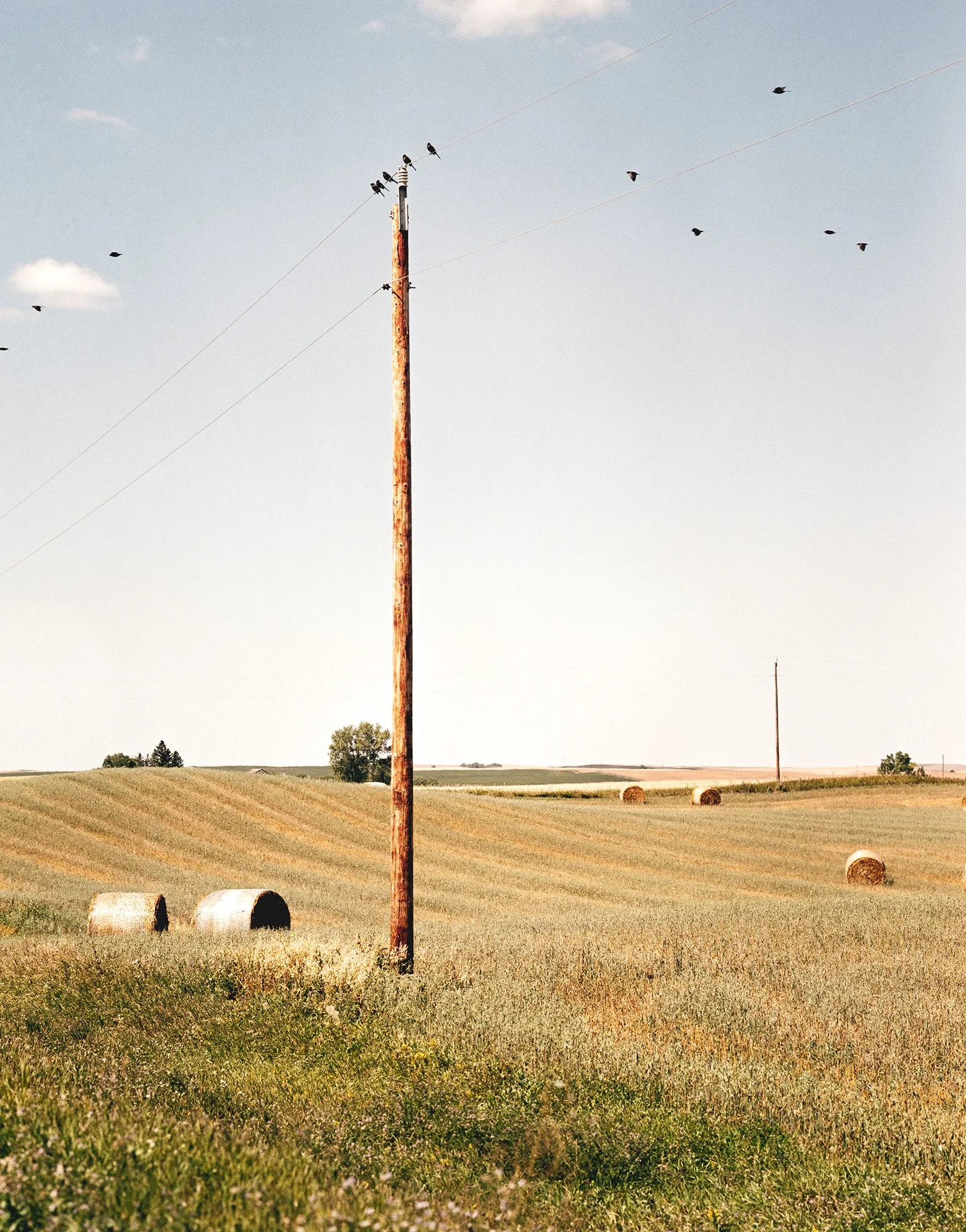
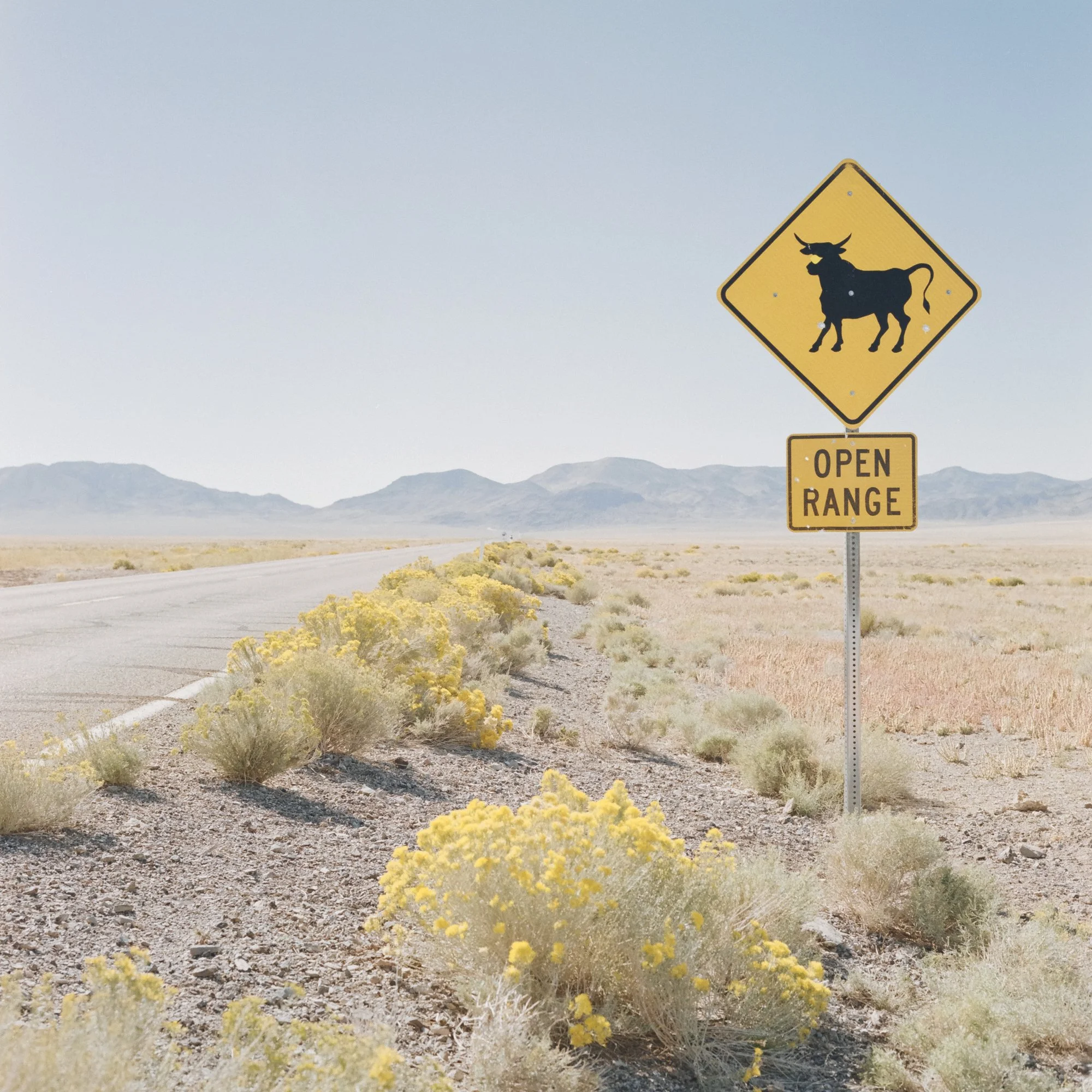
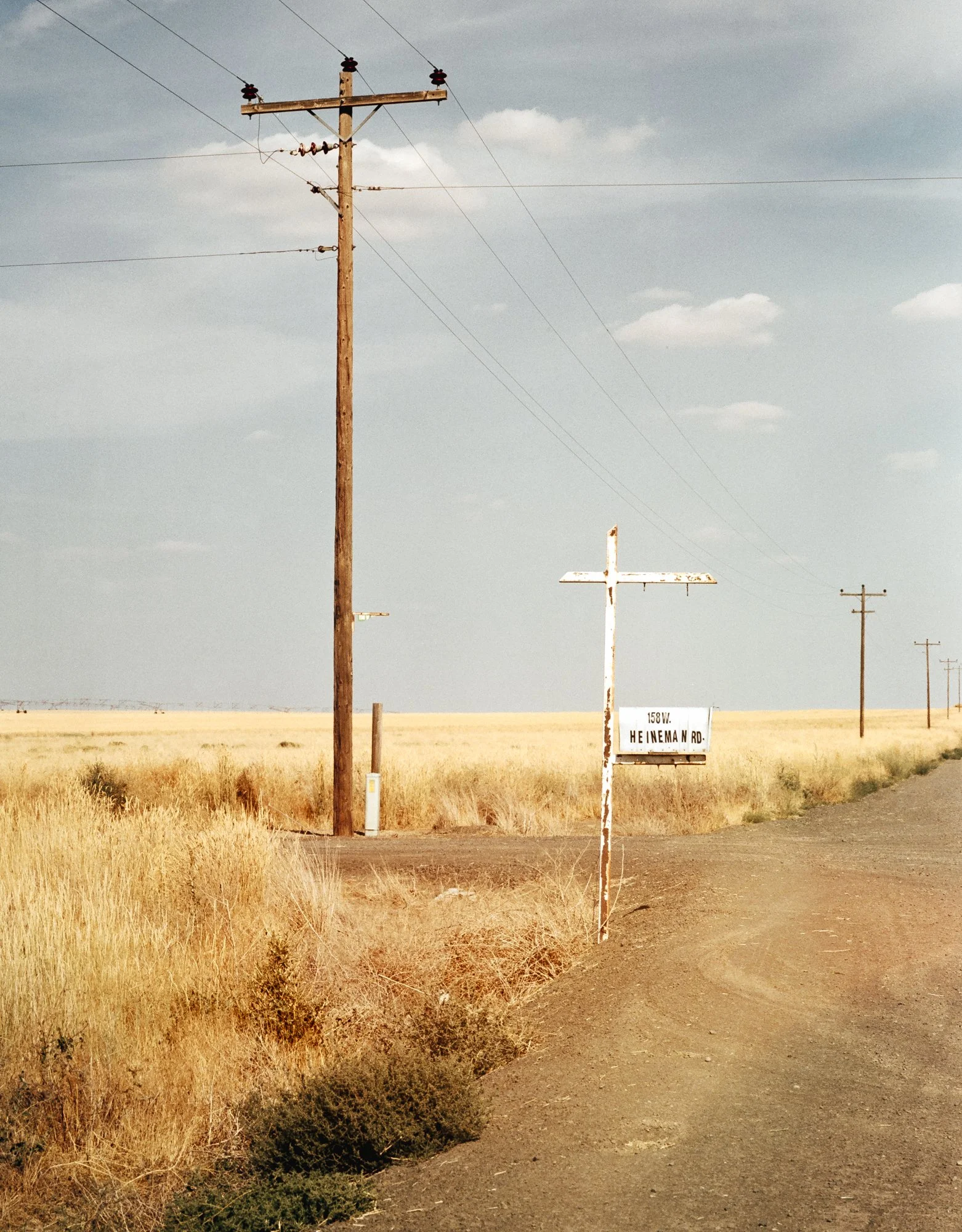
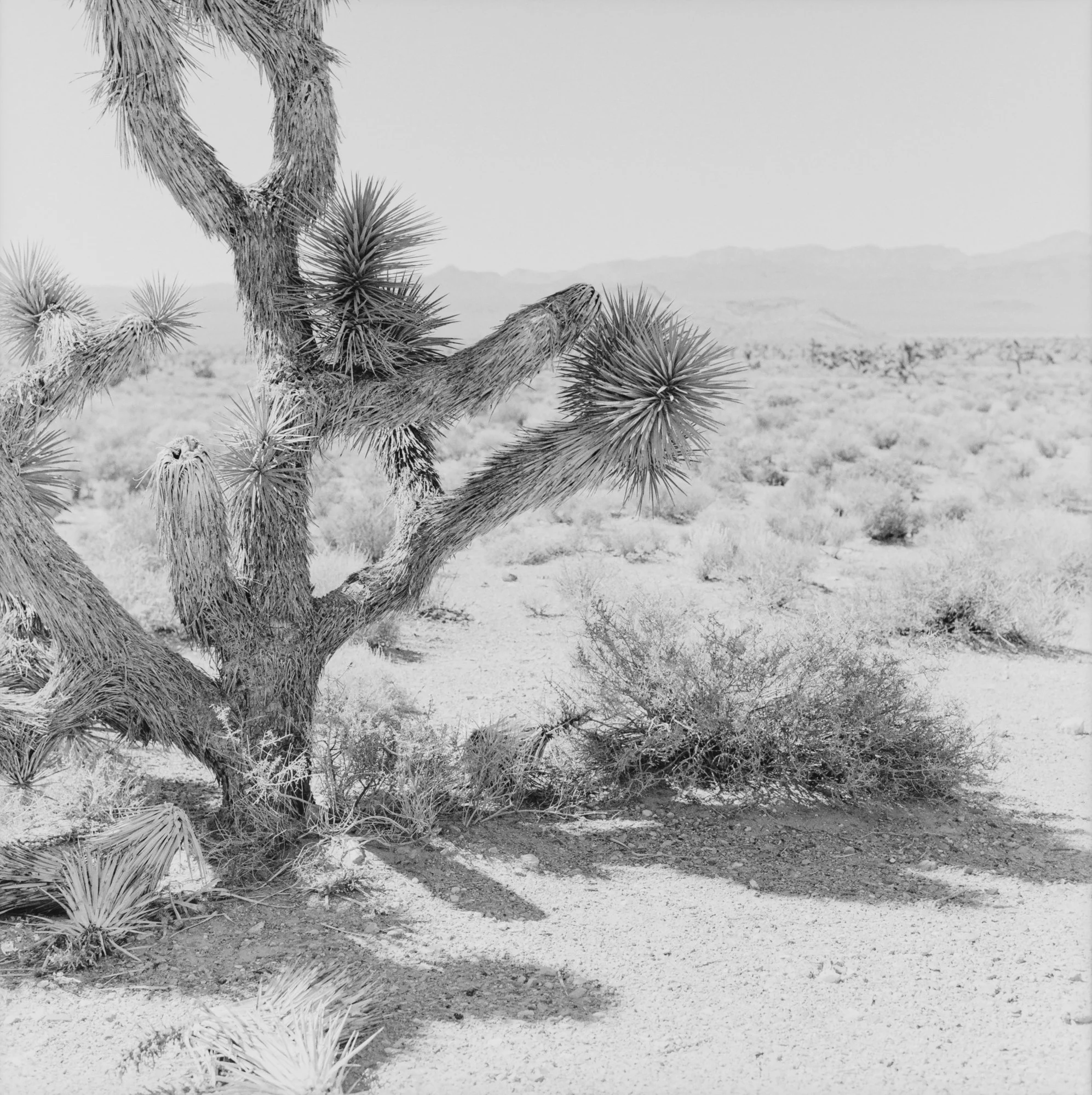
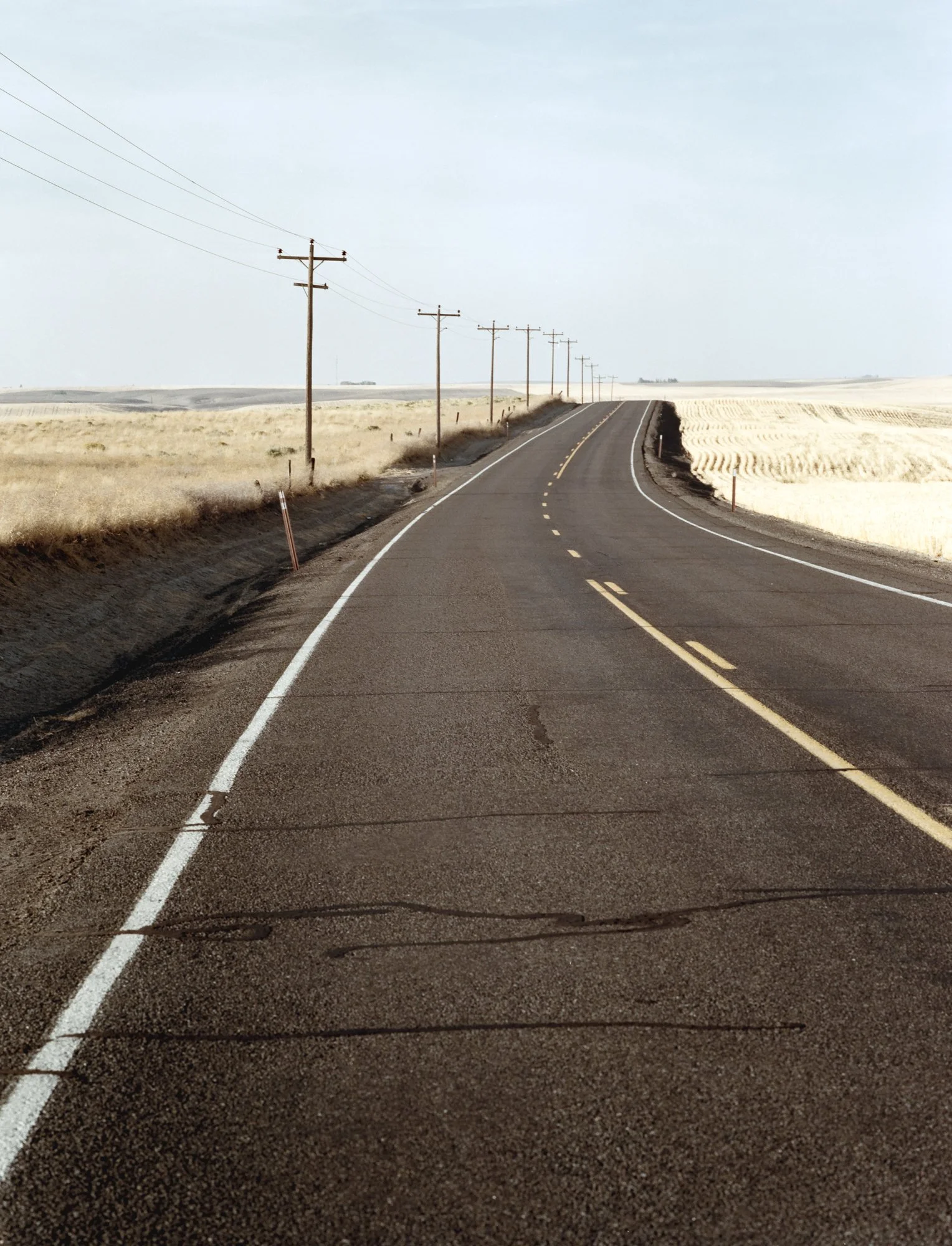
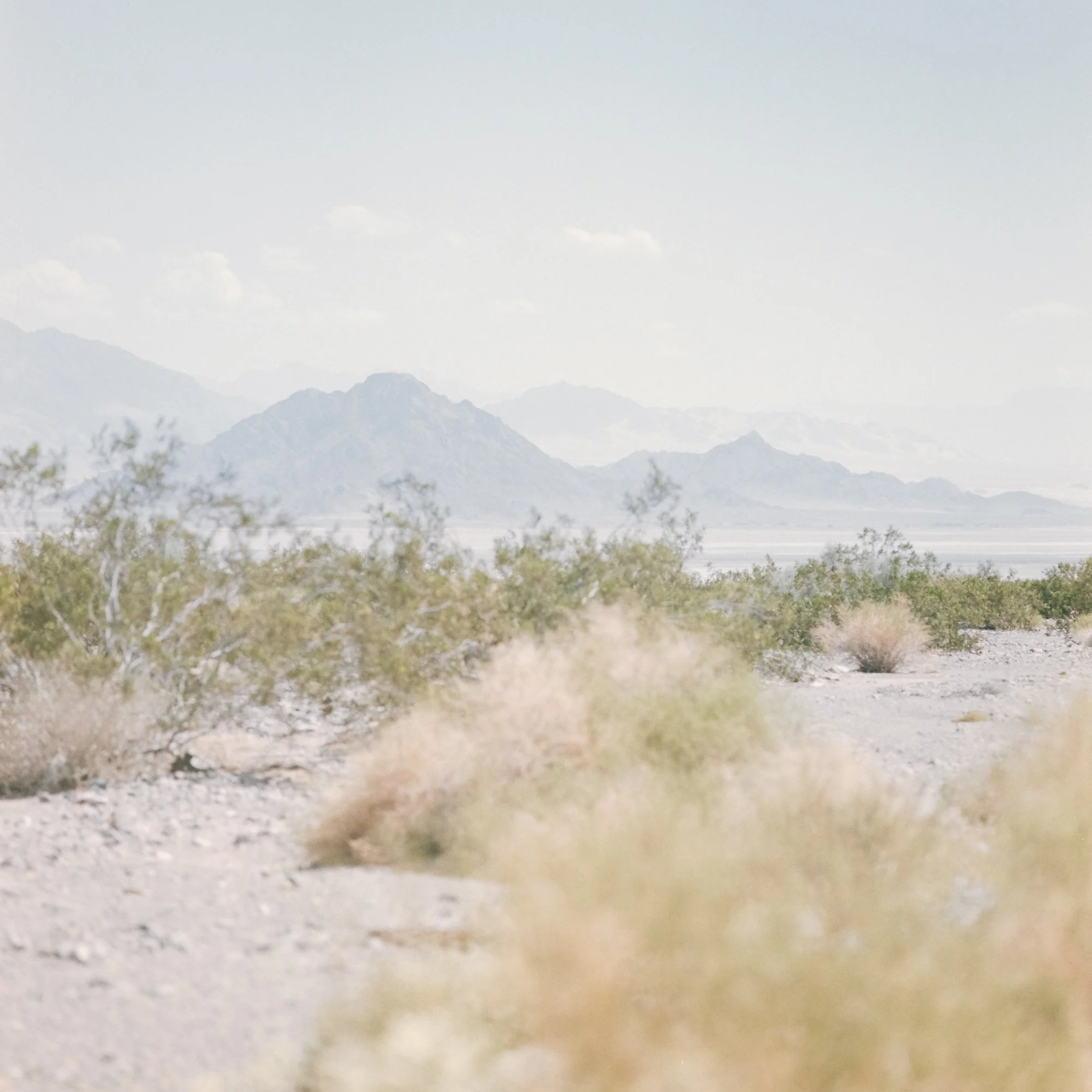
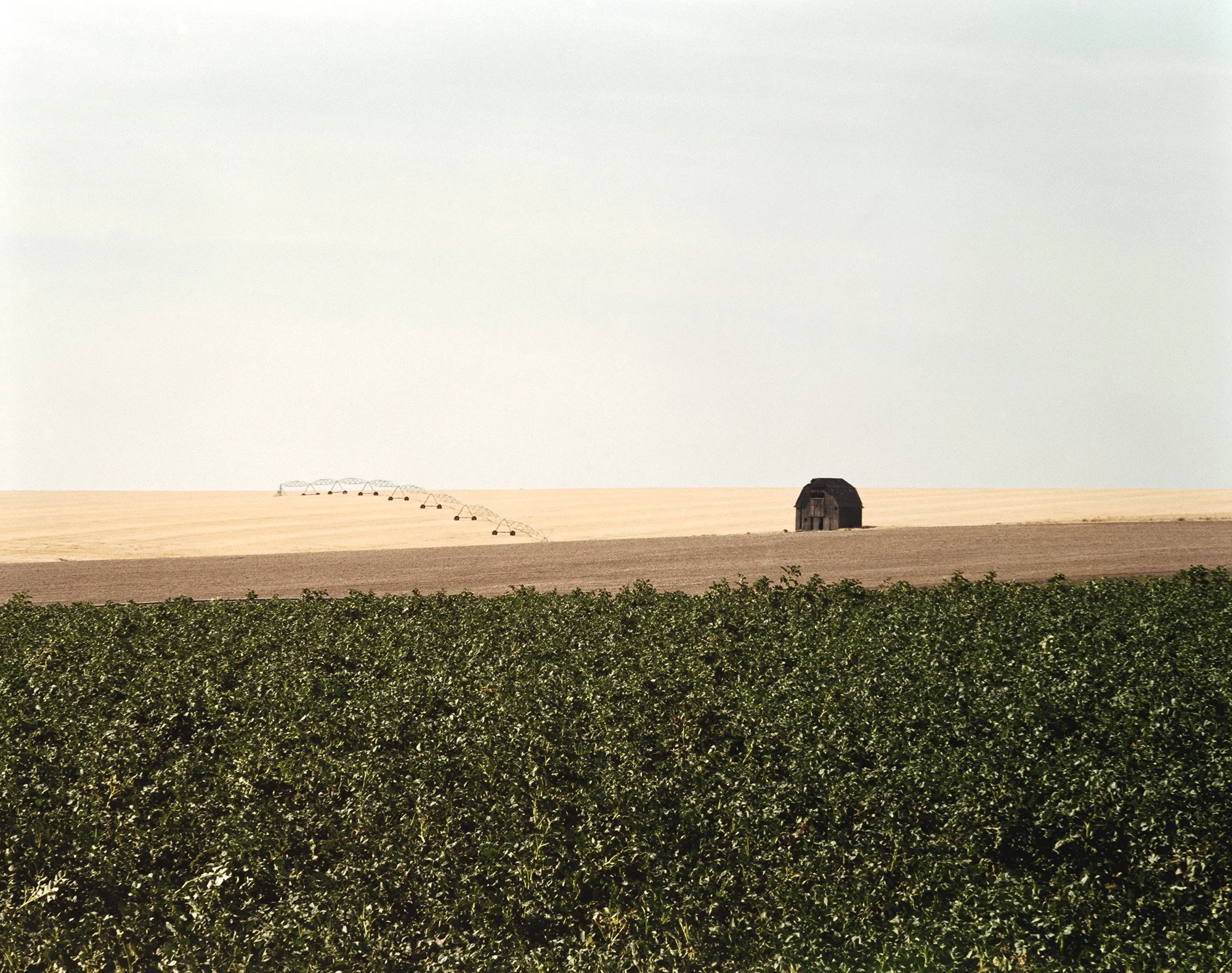
Road to the Midwest is a long-term documentary project spanning rural regions of the American West and Great Plains. Its title reflects both a journey and a center of gravity: while the work extends across the western United States, the Great Plains and western Midwest form its geographic and thematic core. I am drawn there by the long distances, severe weather, and the particular relationship between roads, farmsteads, isolated structures, and open land.
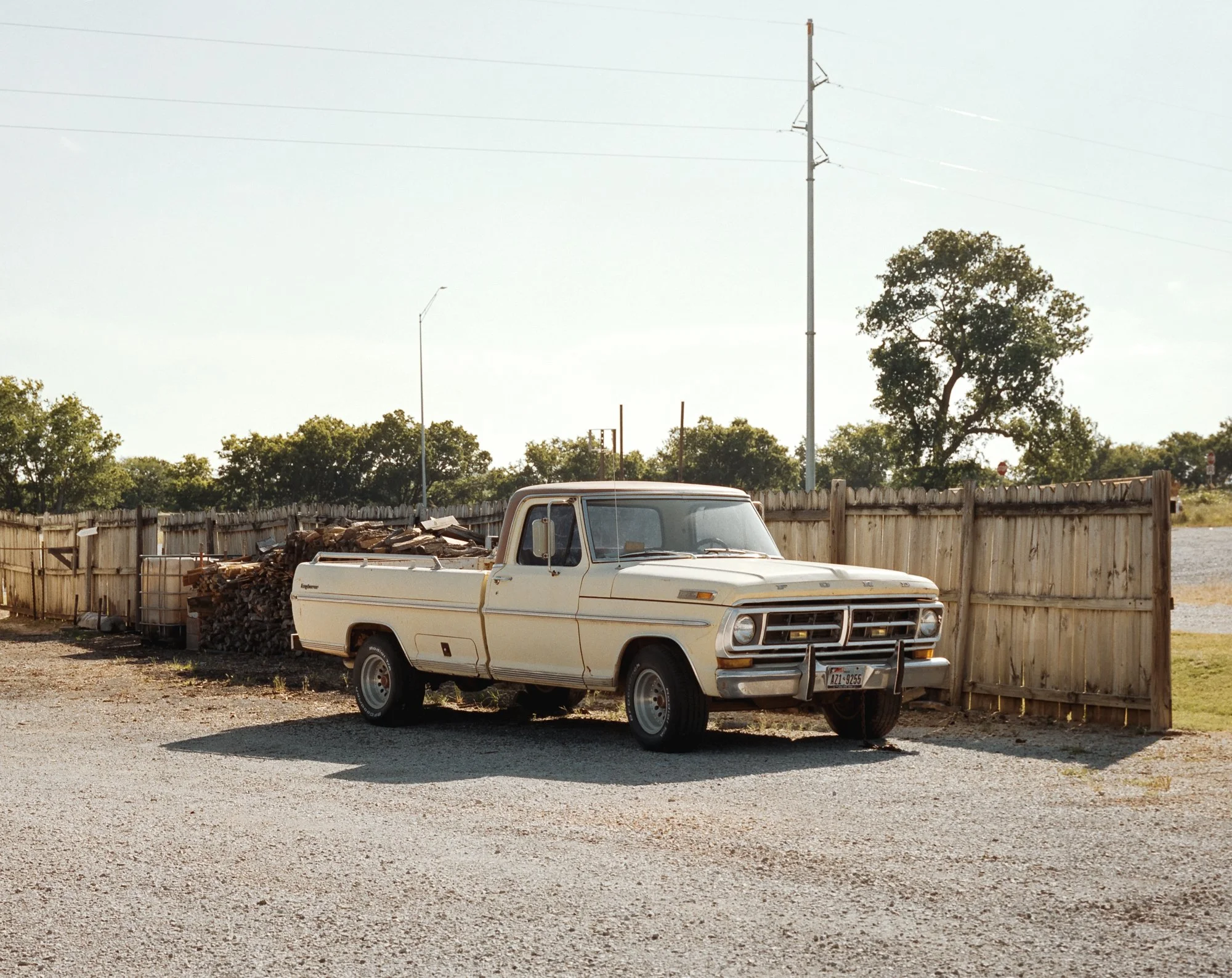
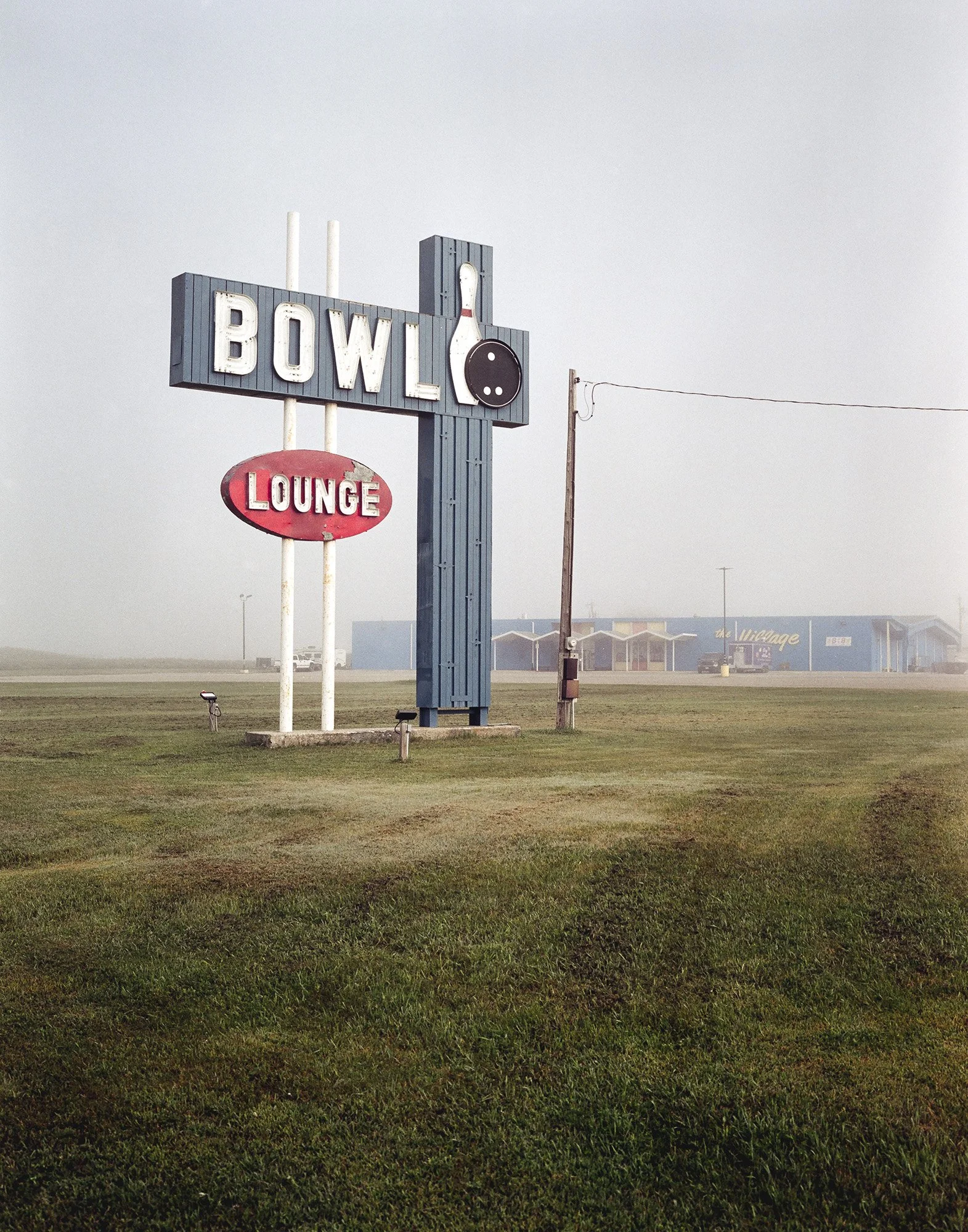
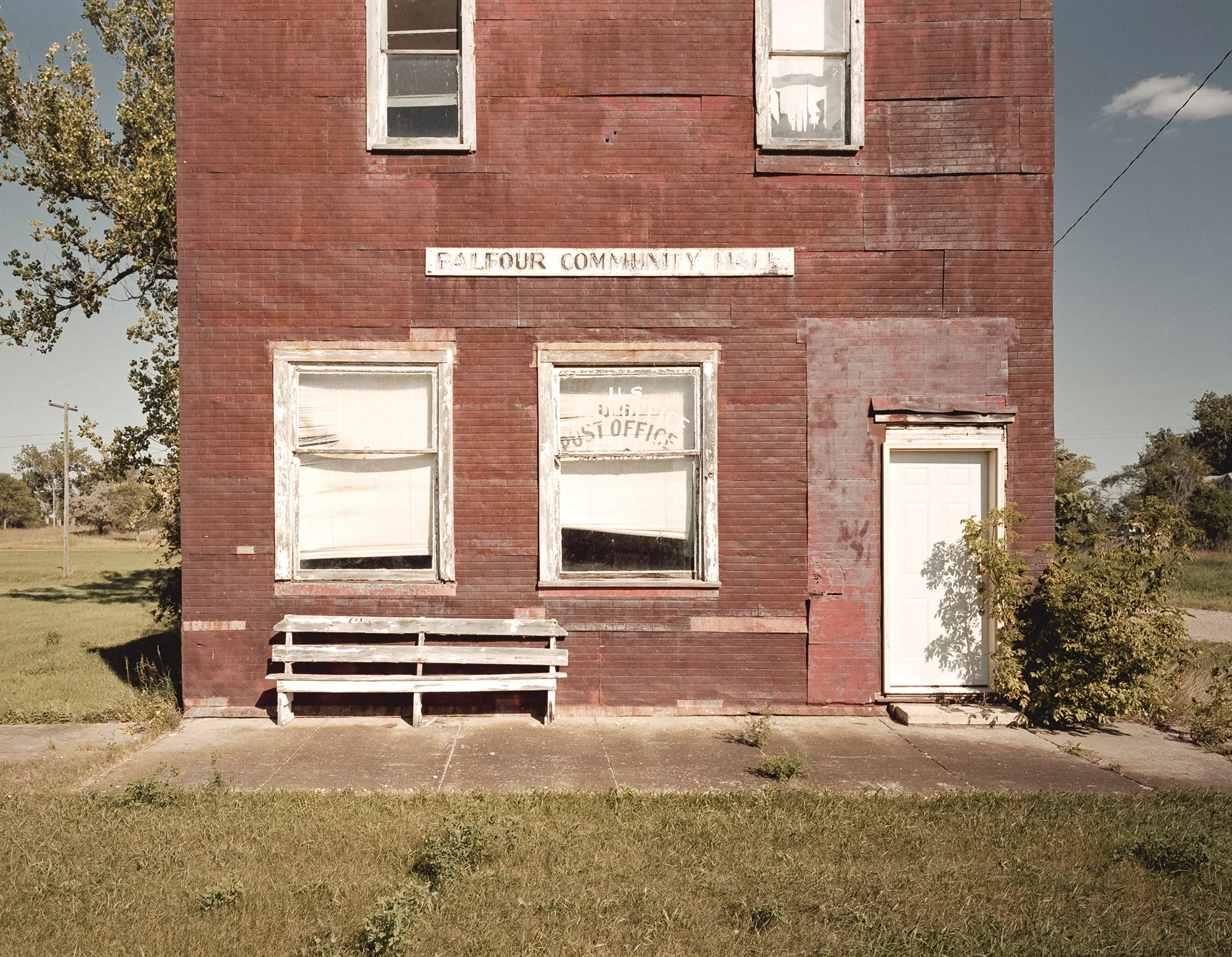
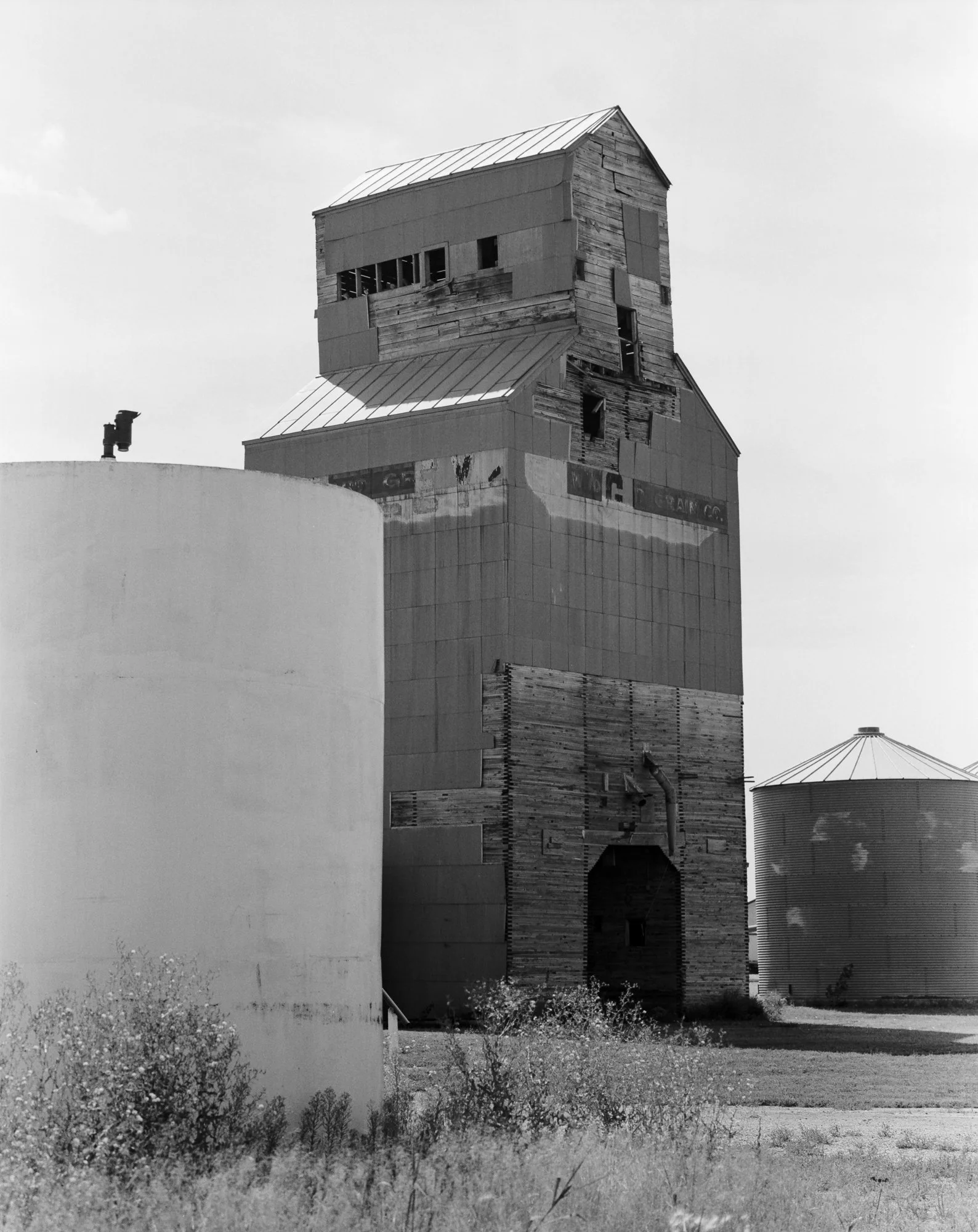
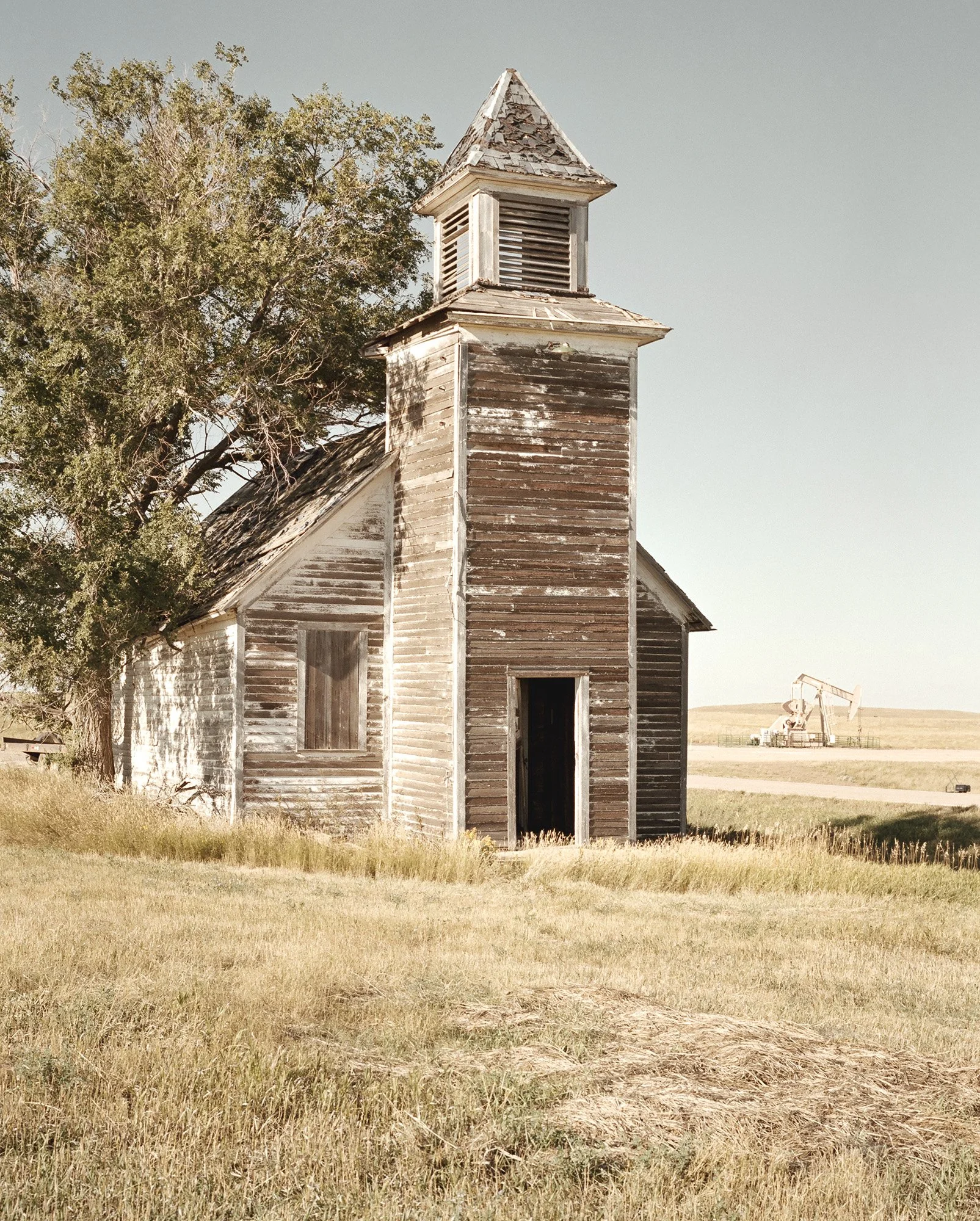
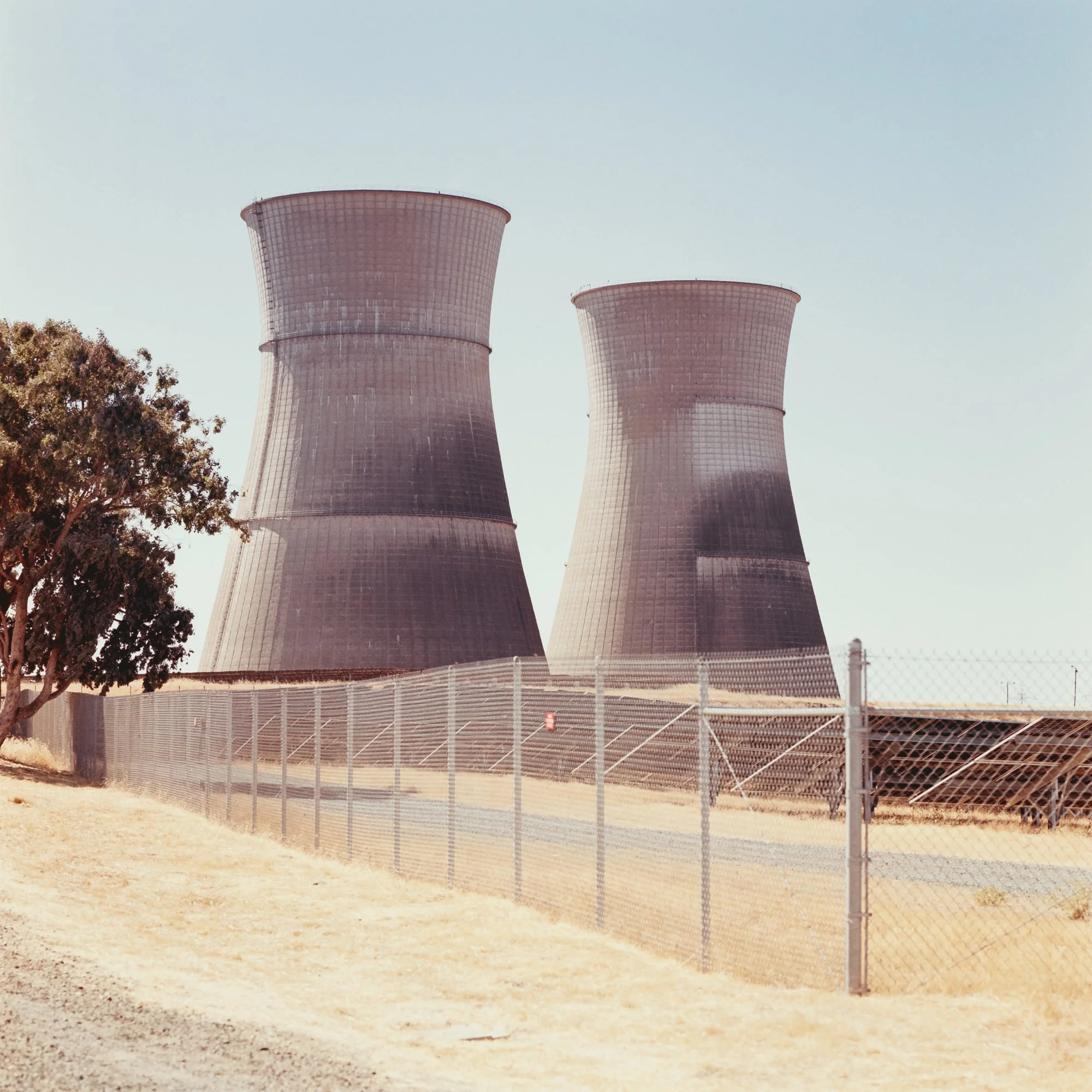
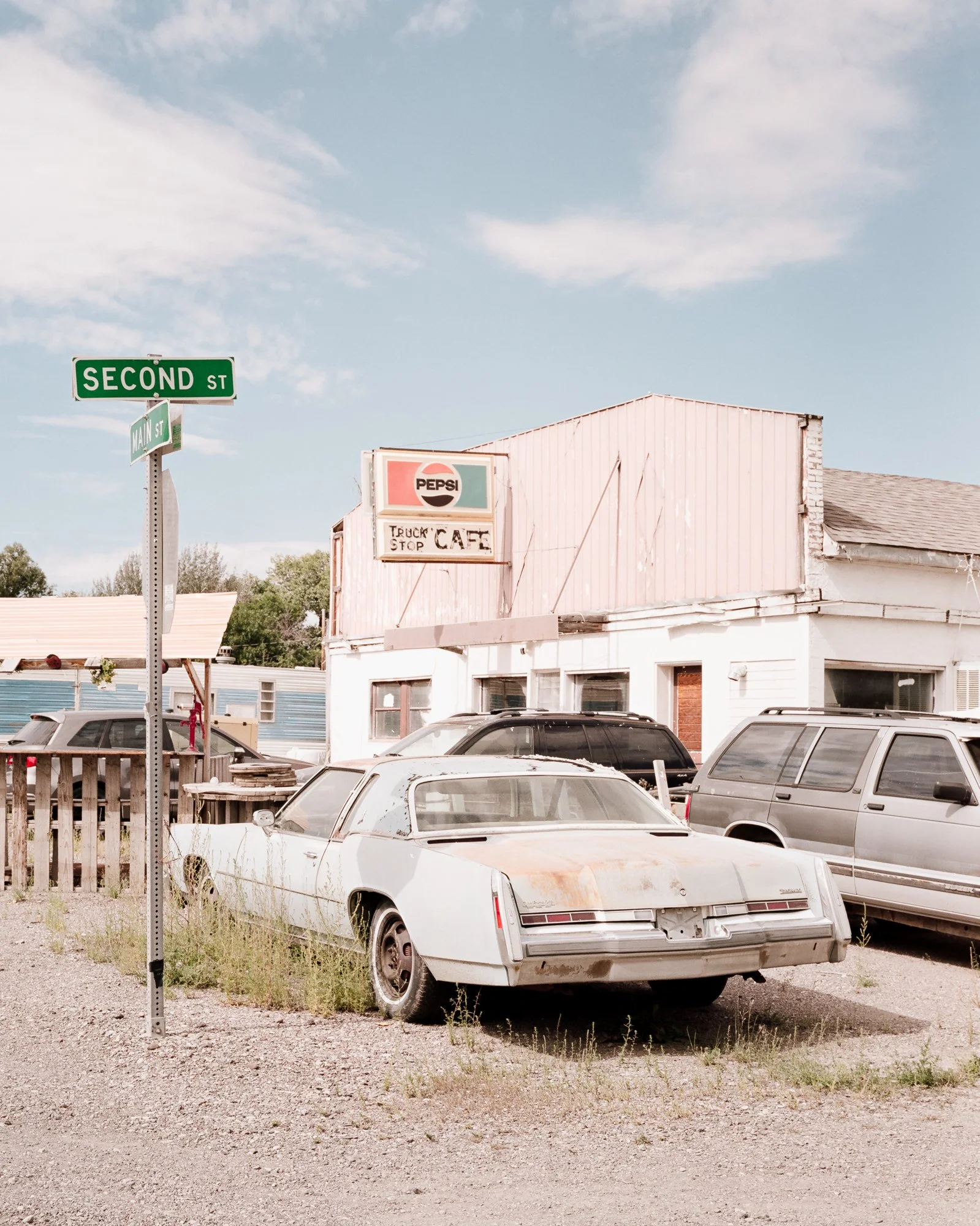
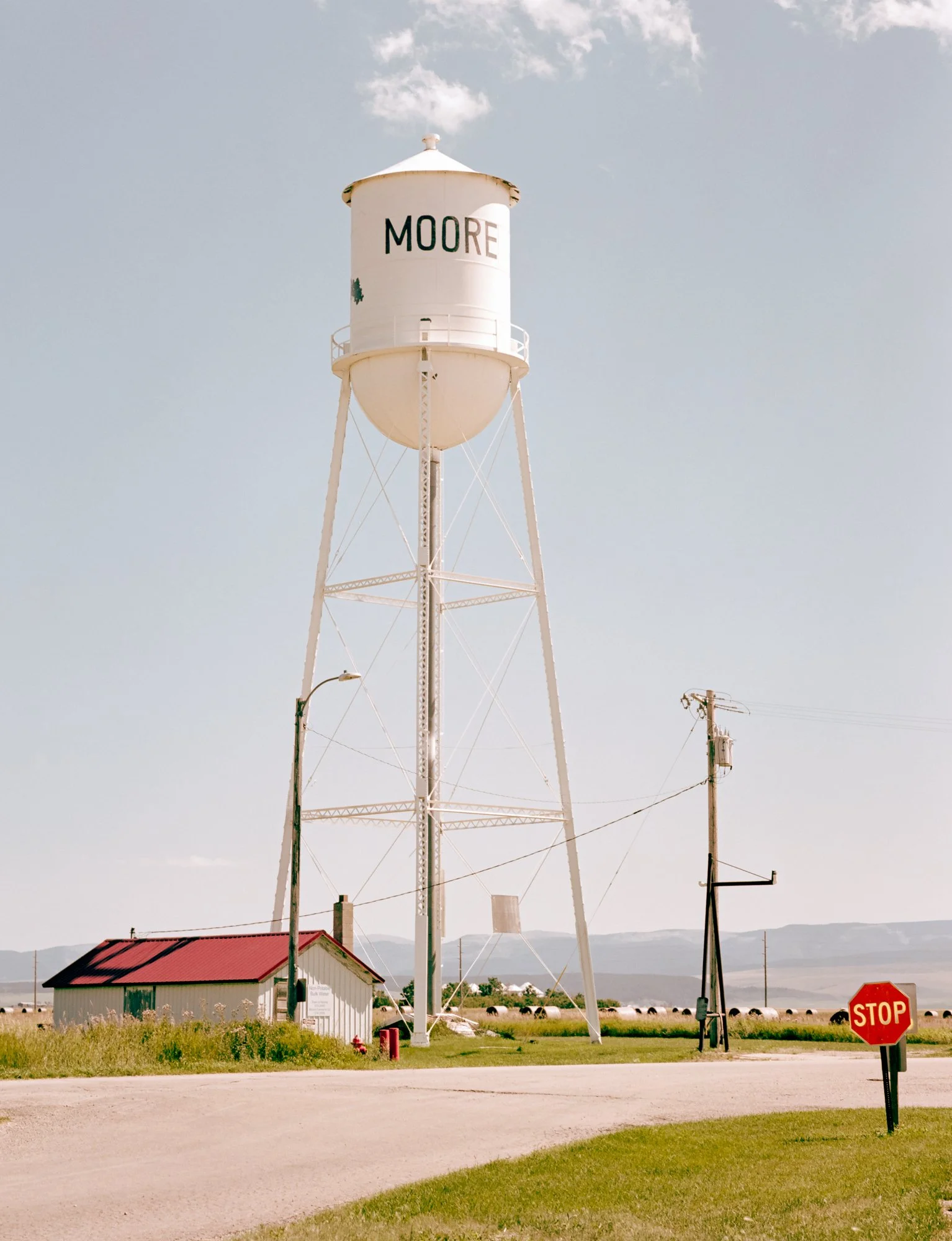
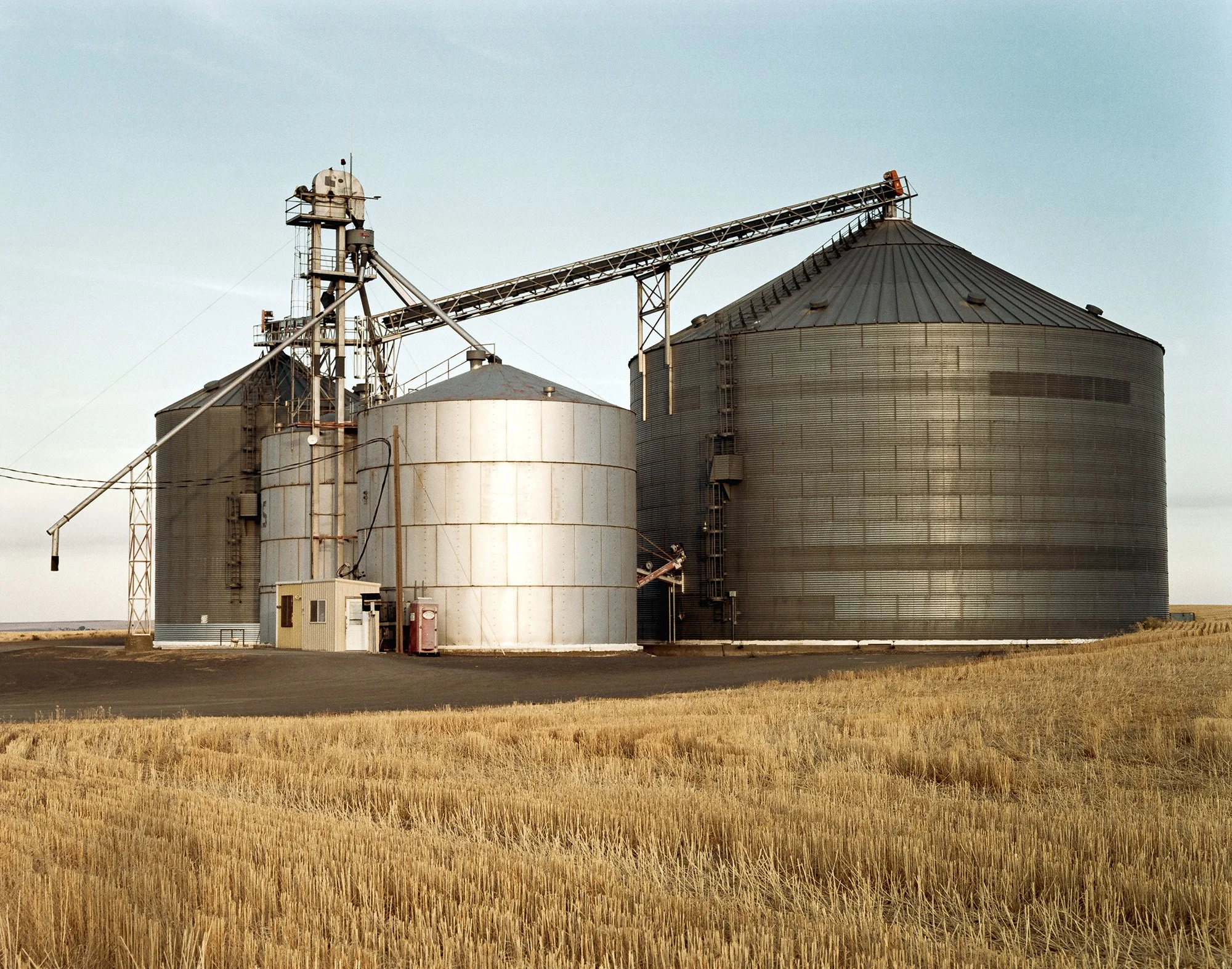
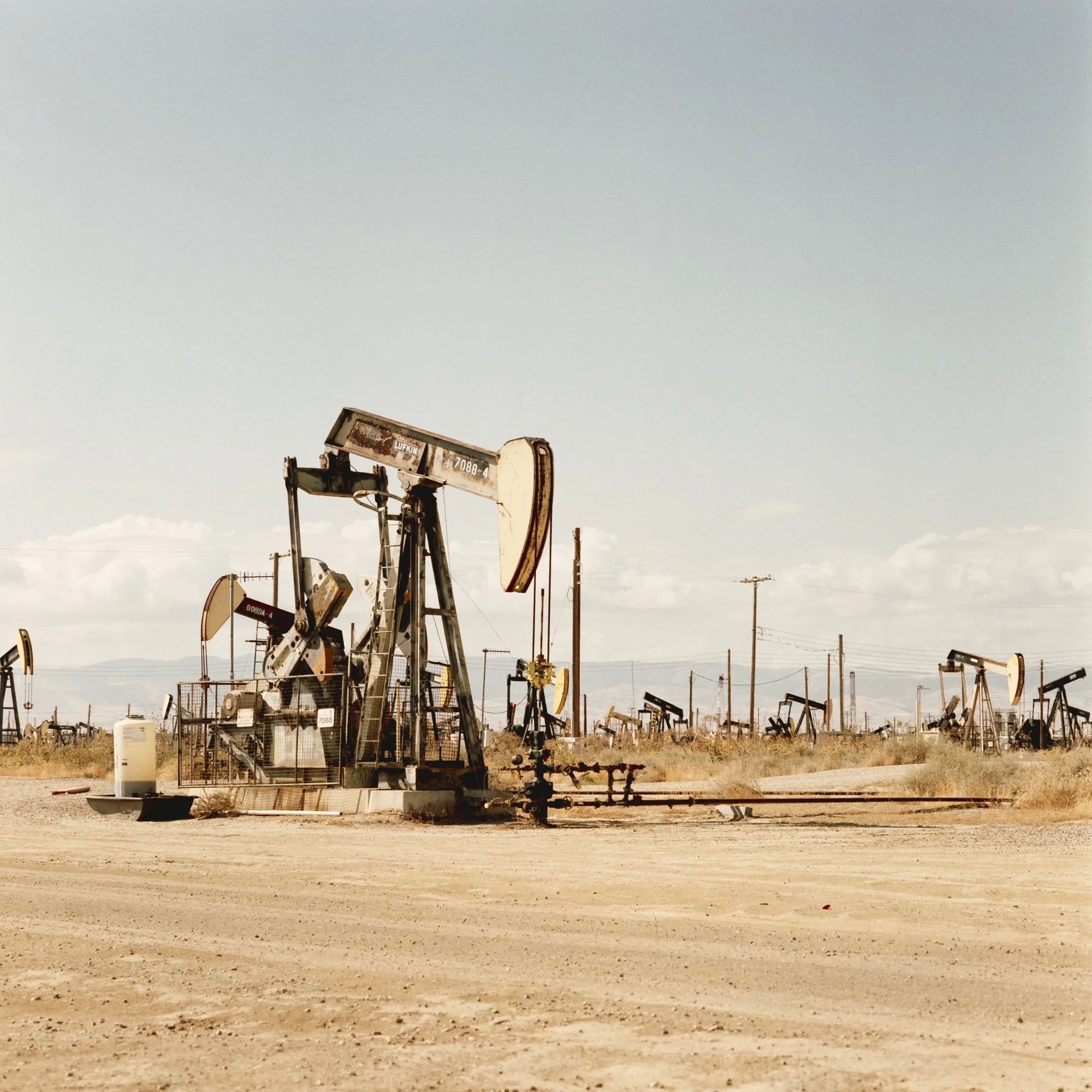
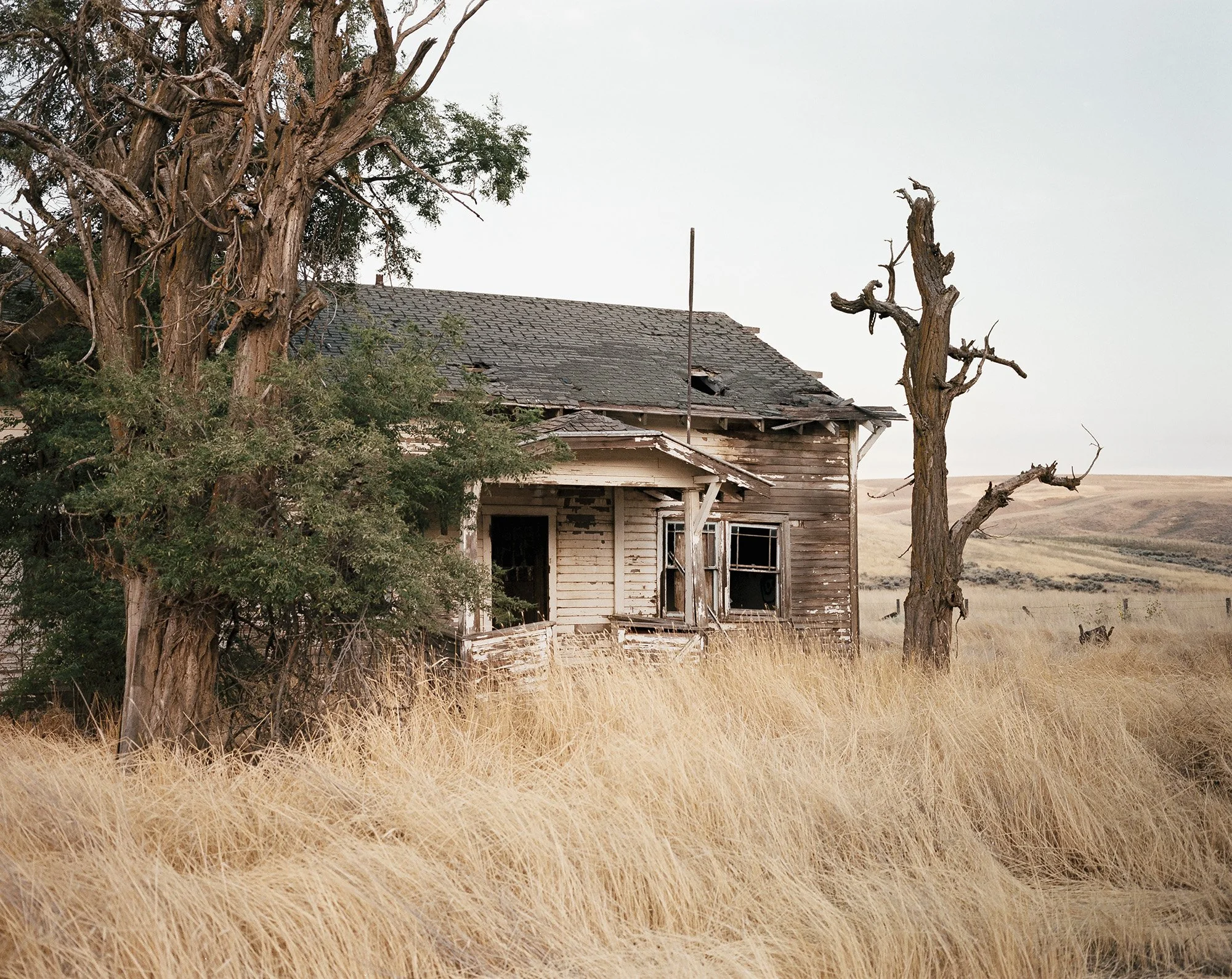
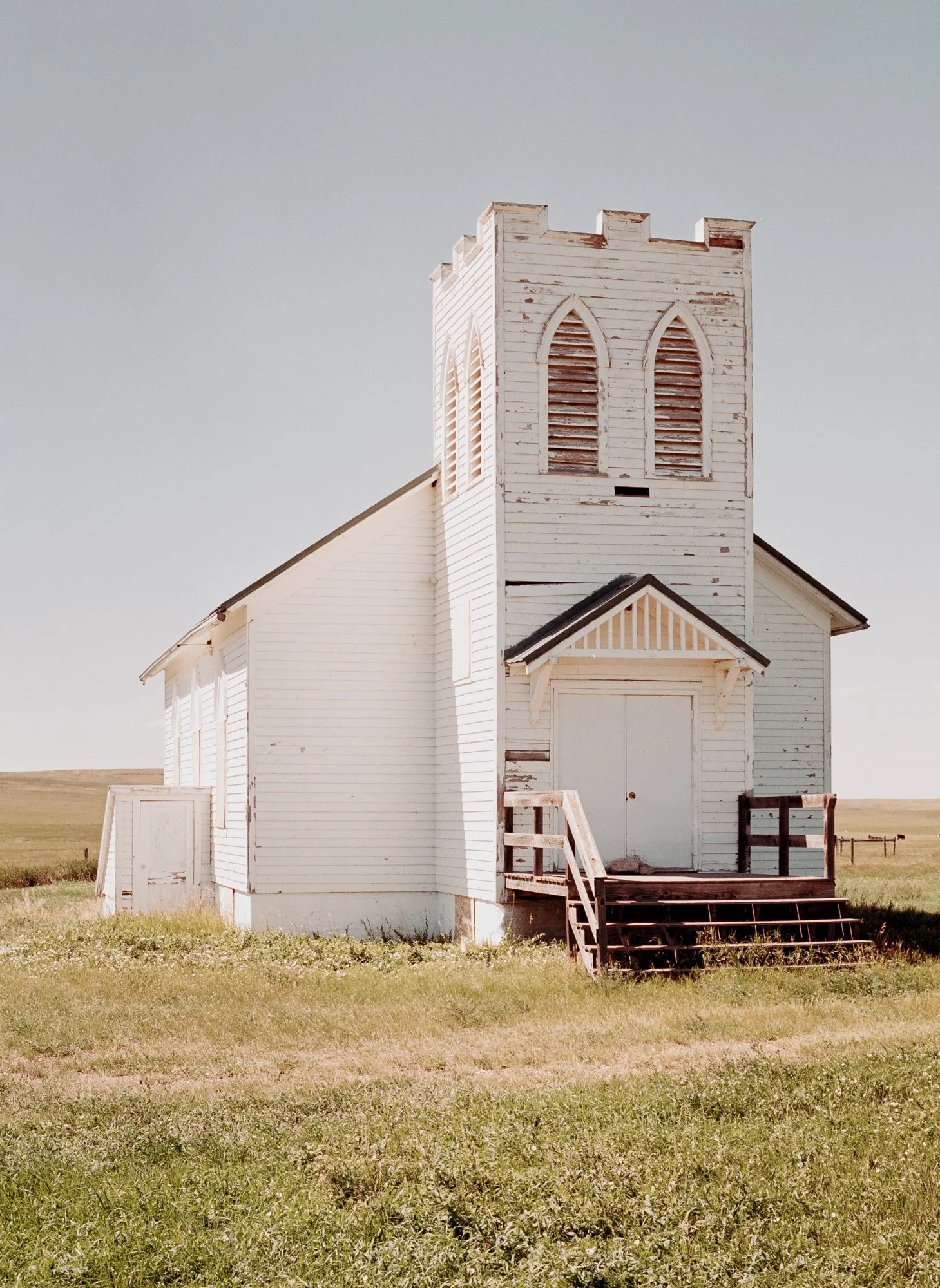
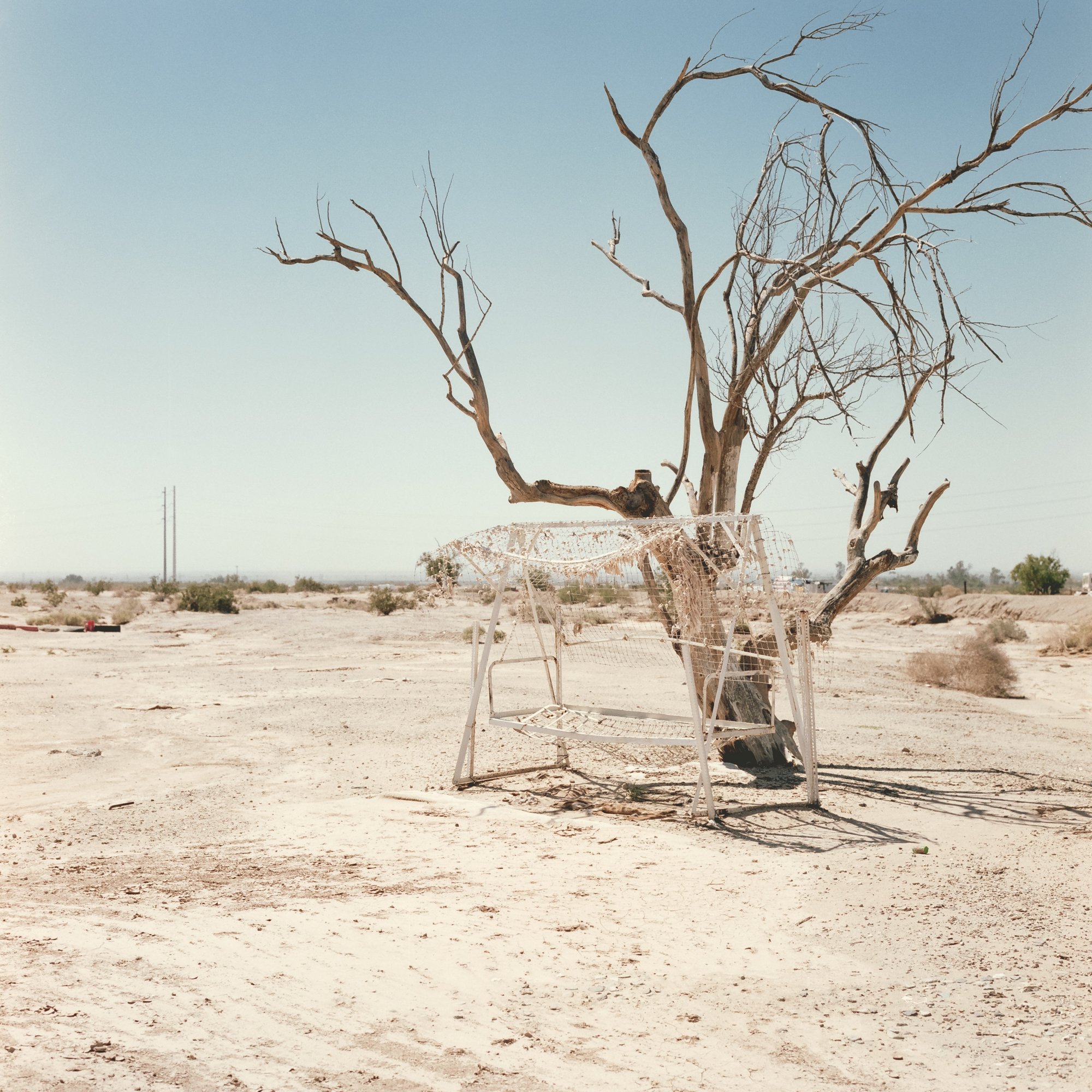
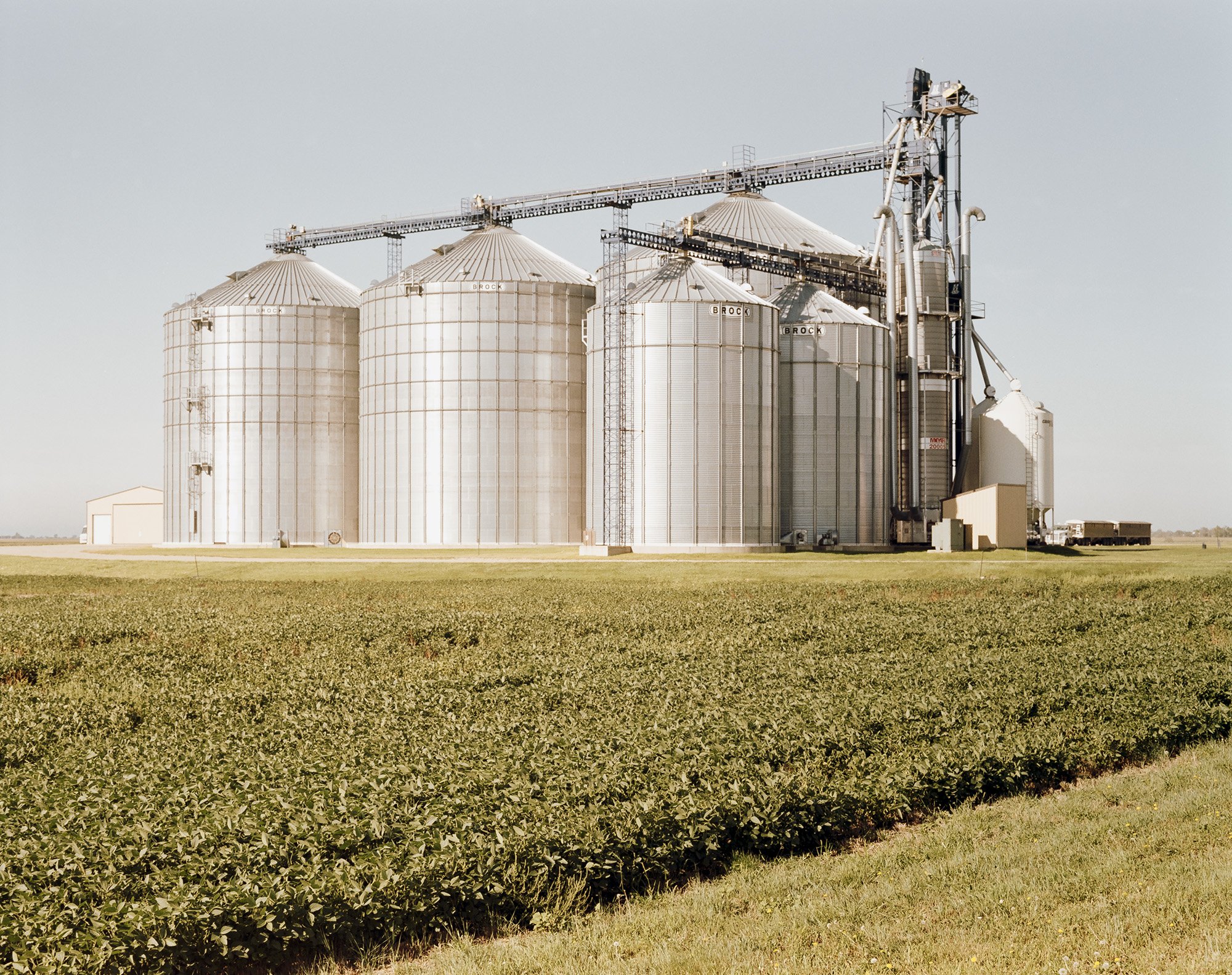
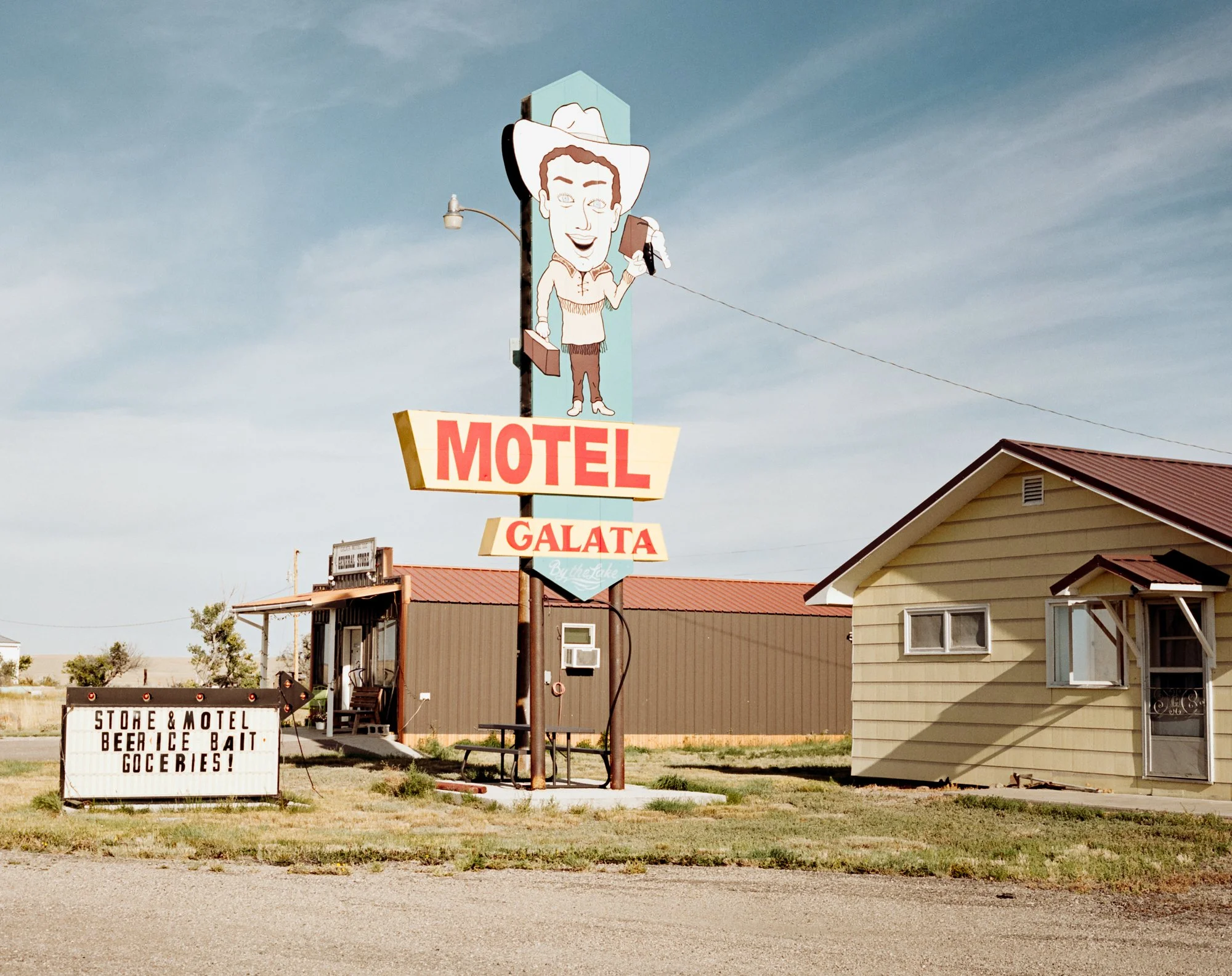
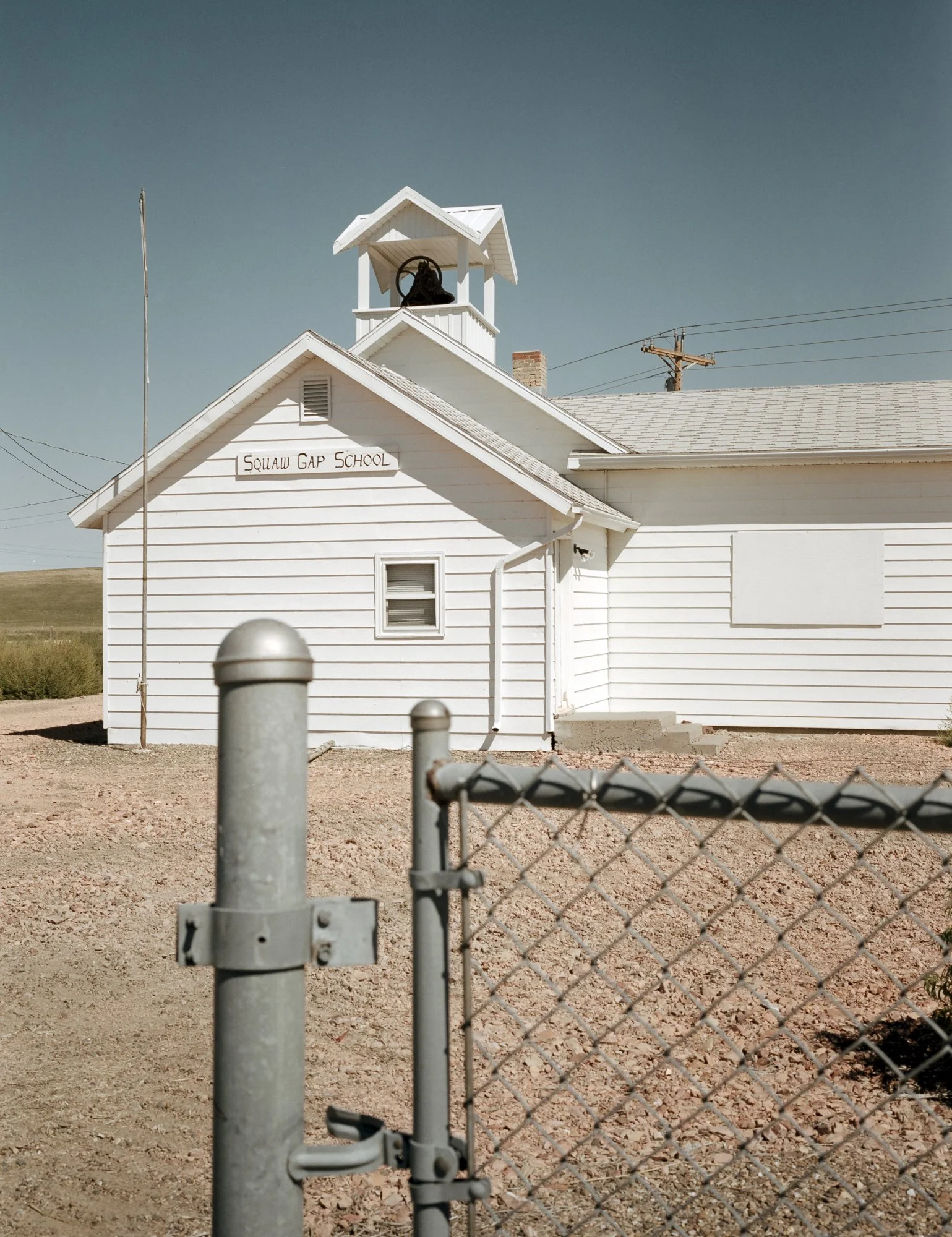
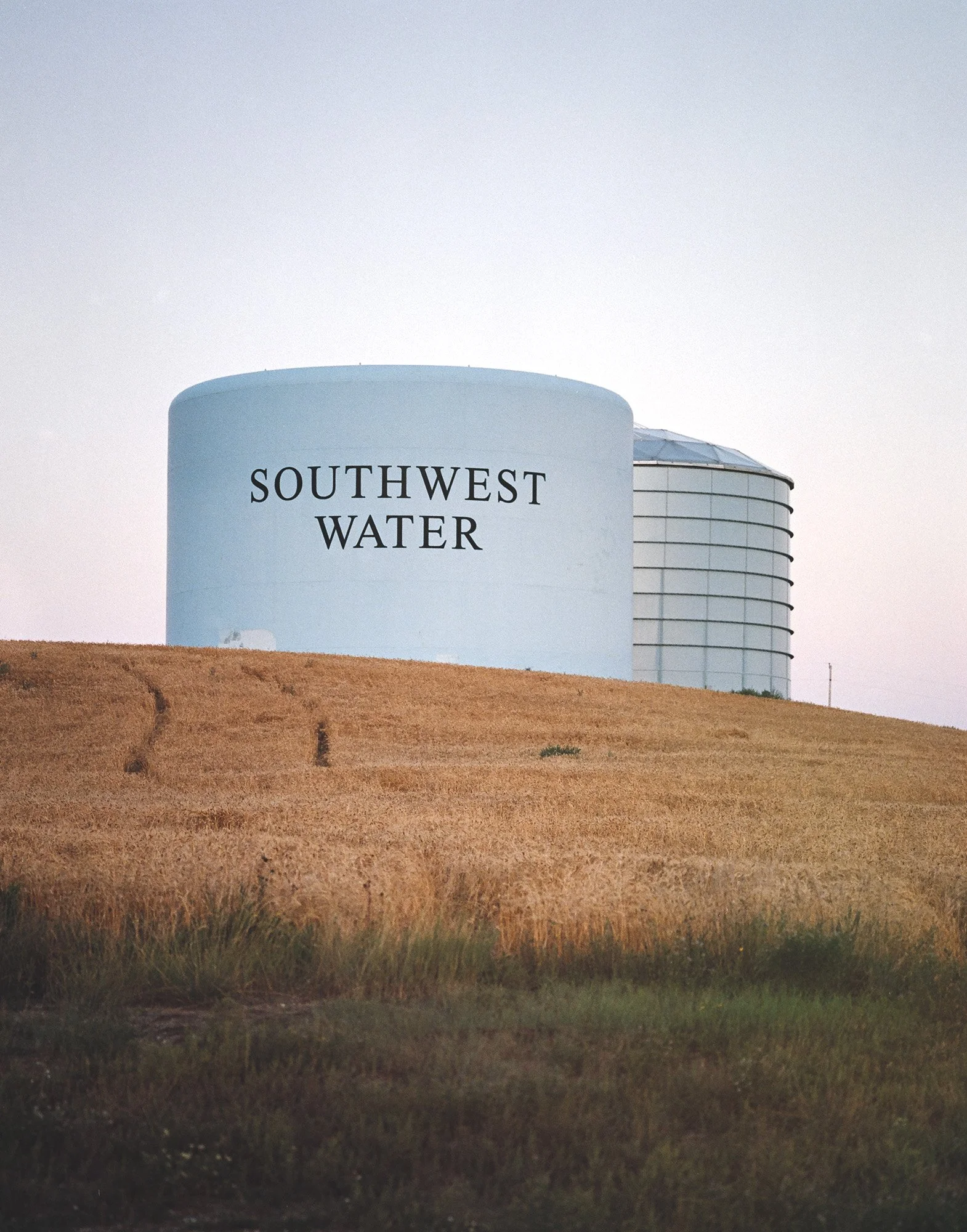
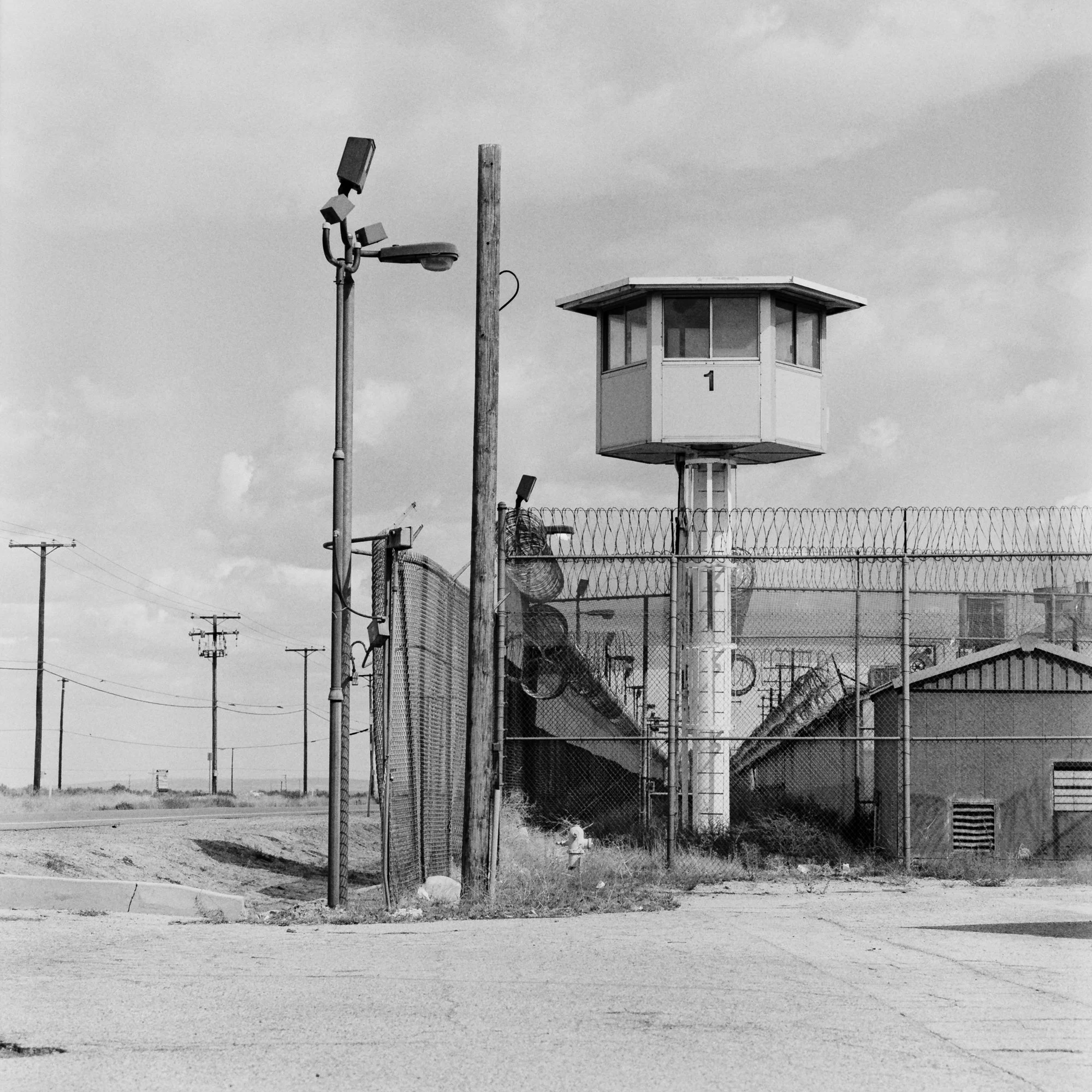
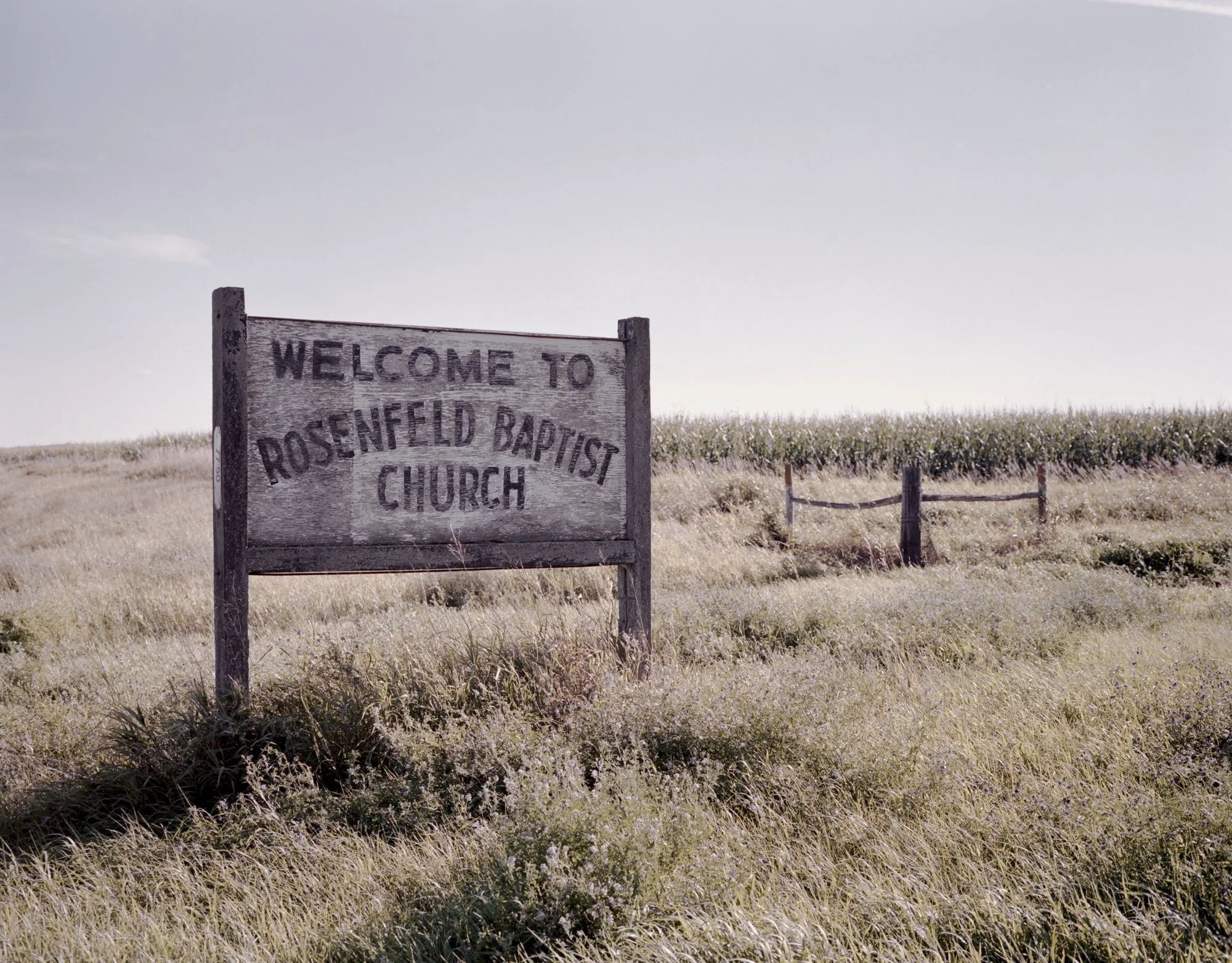
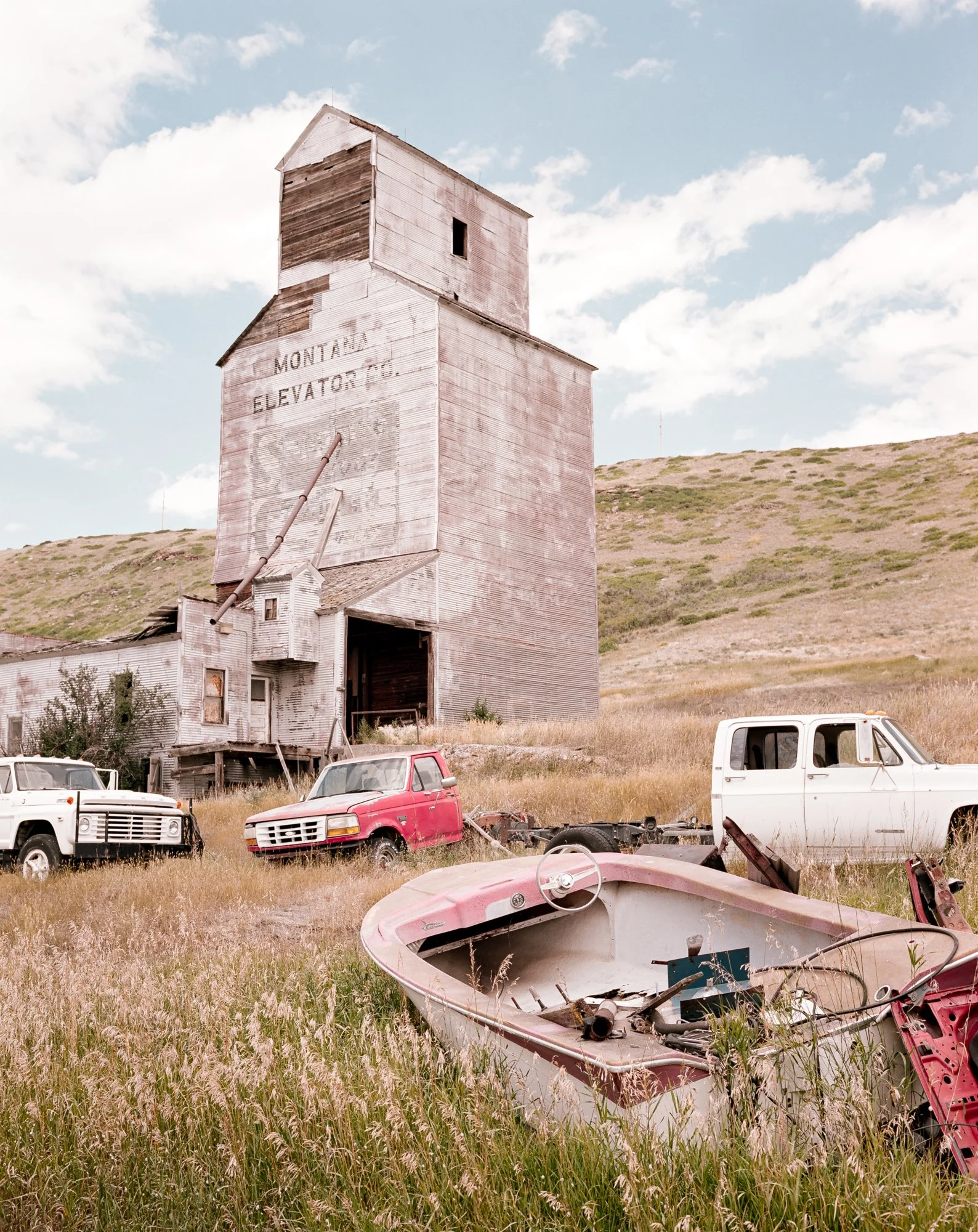
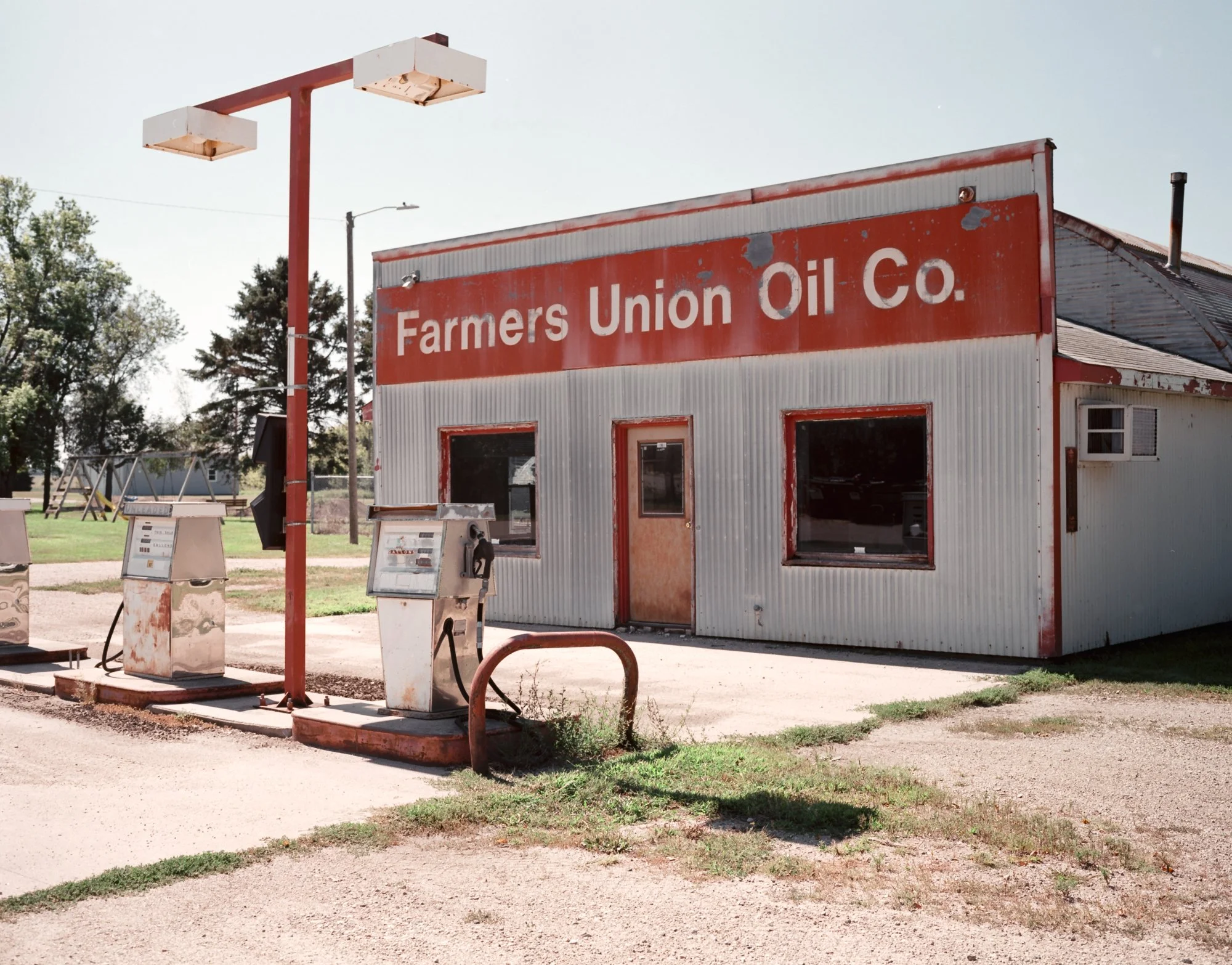
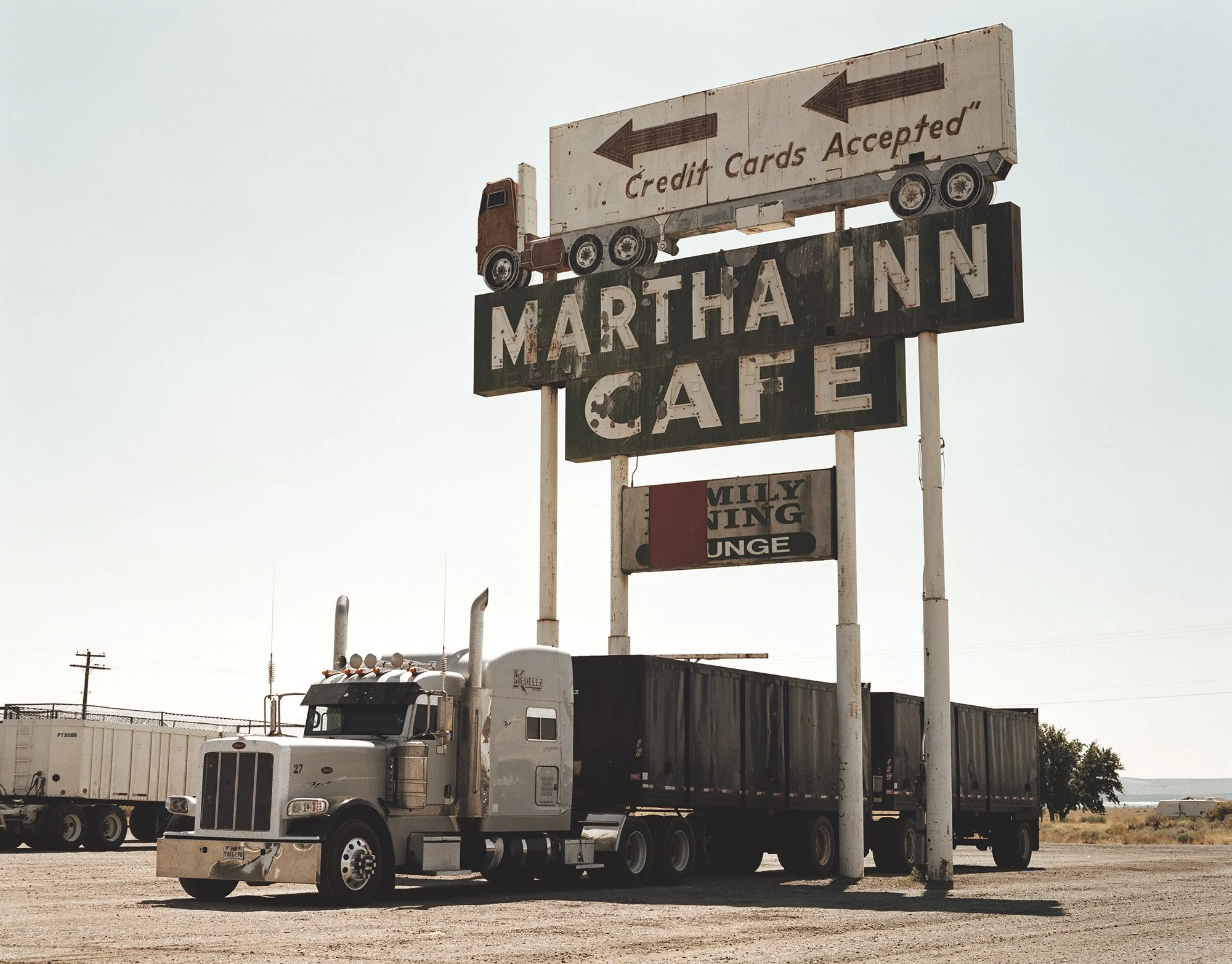
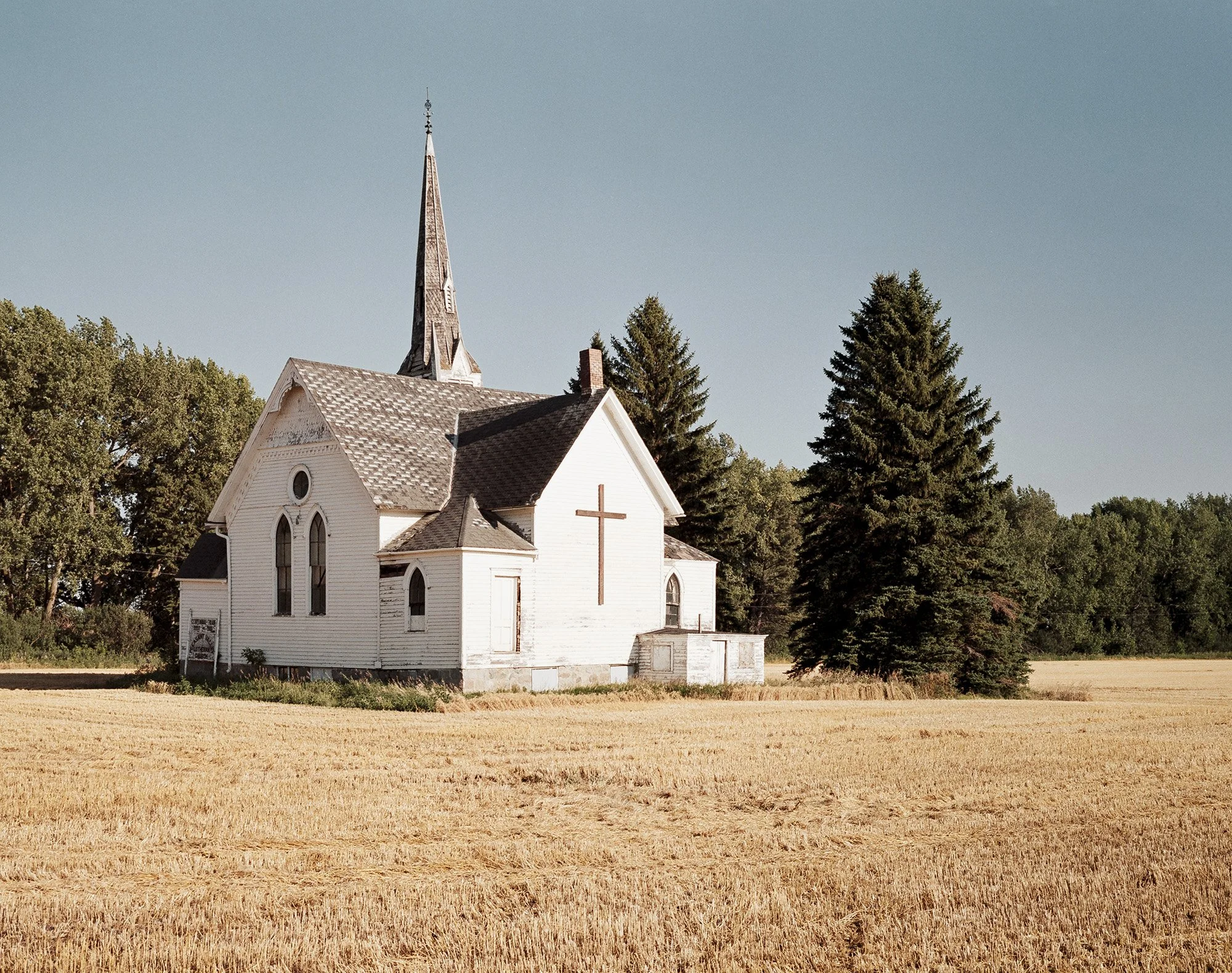
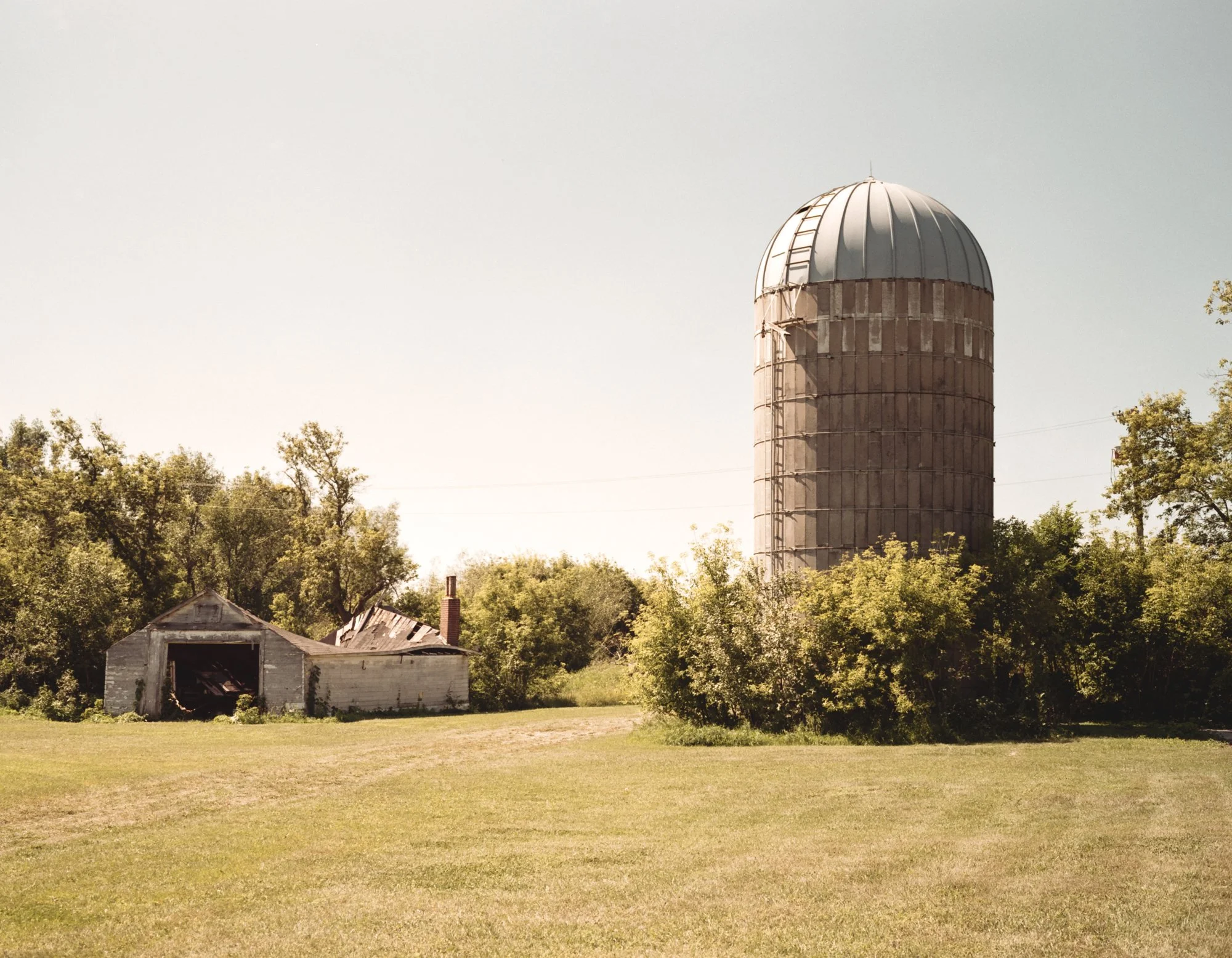
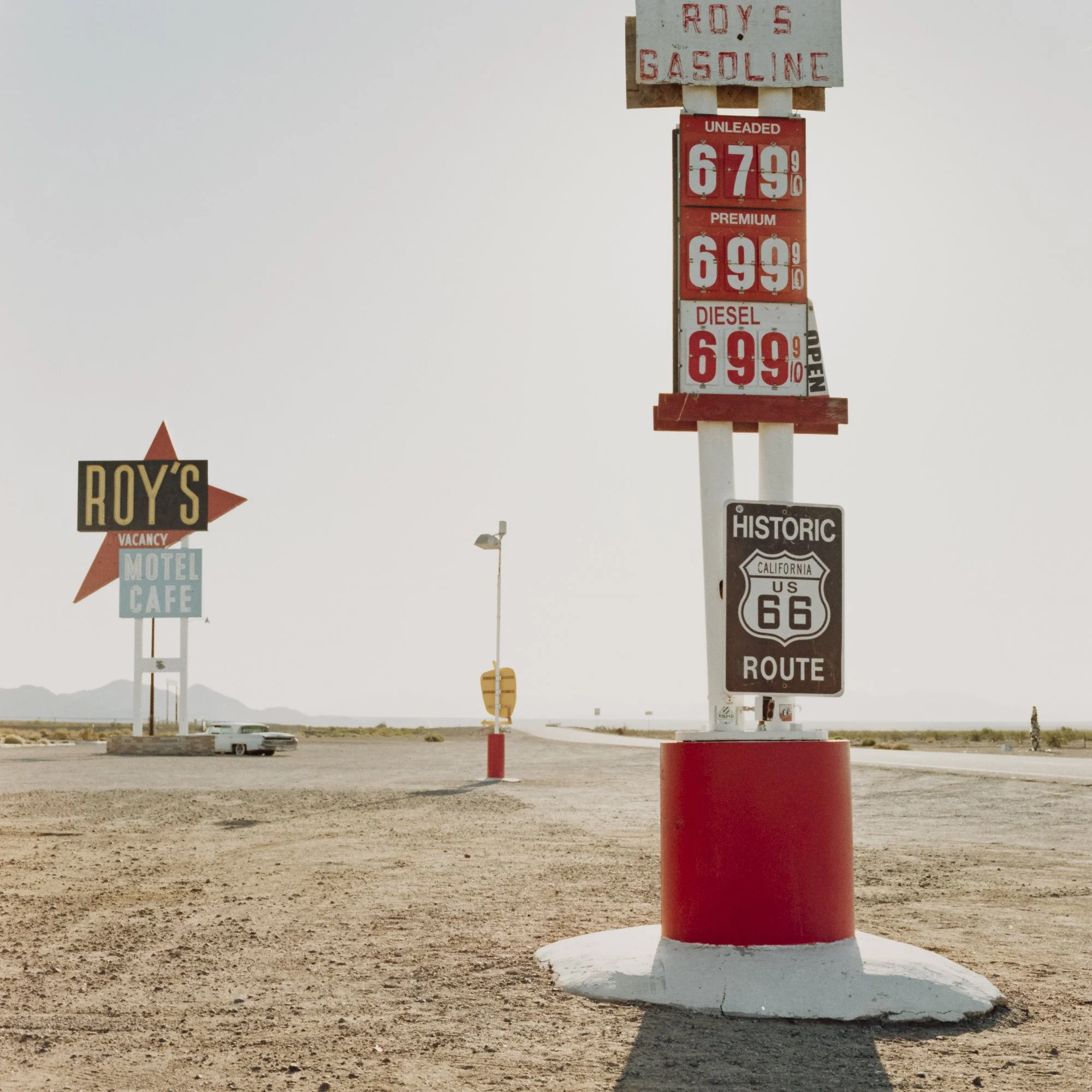
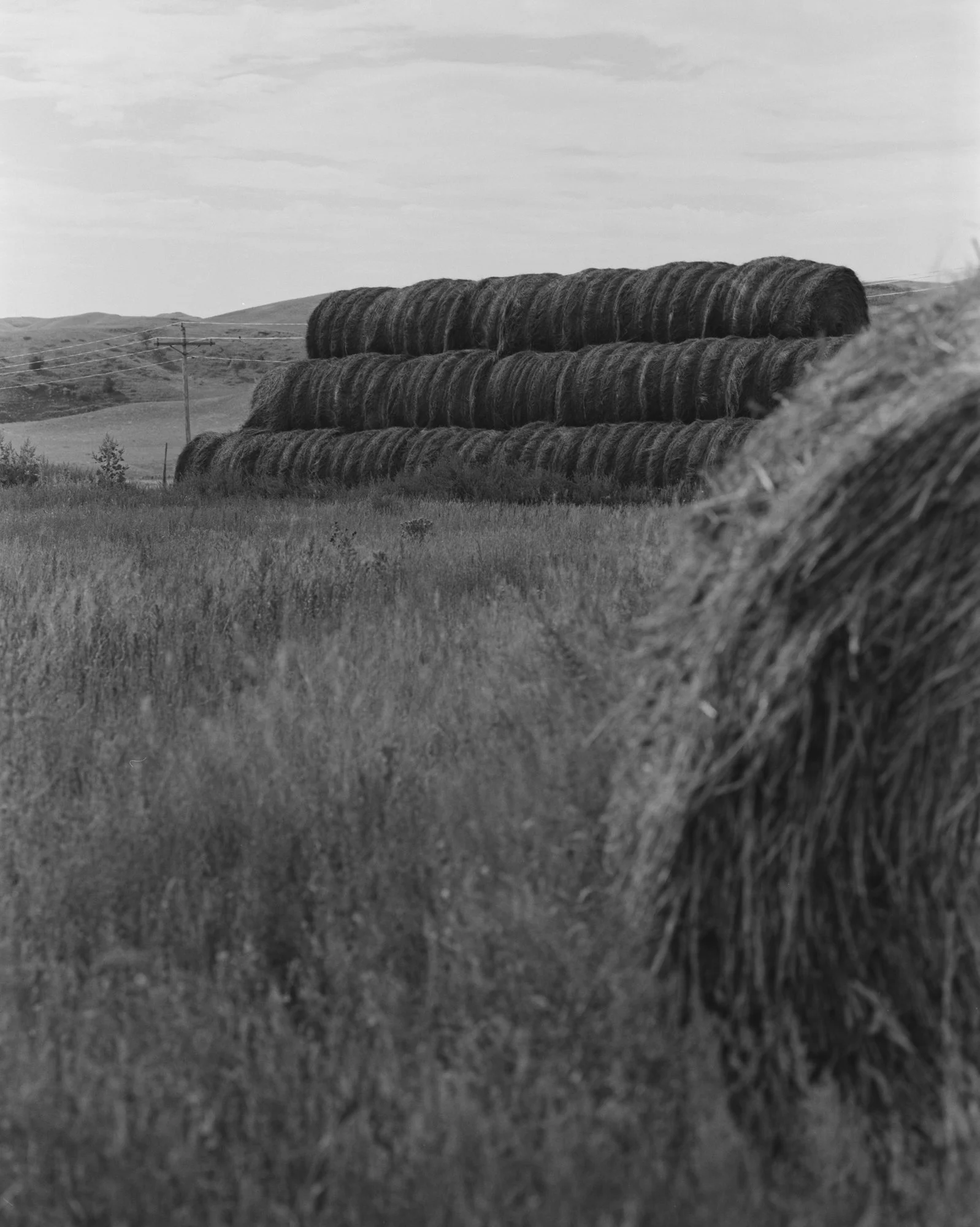
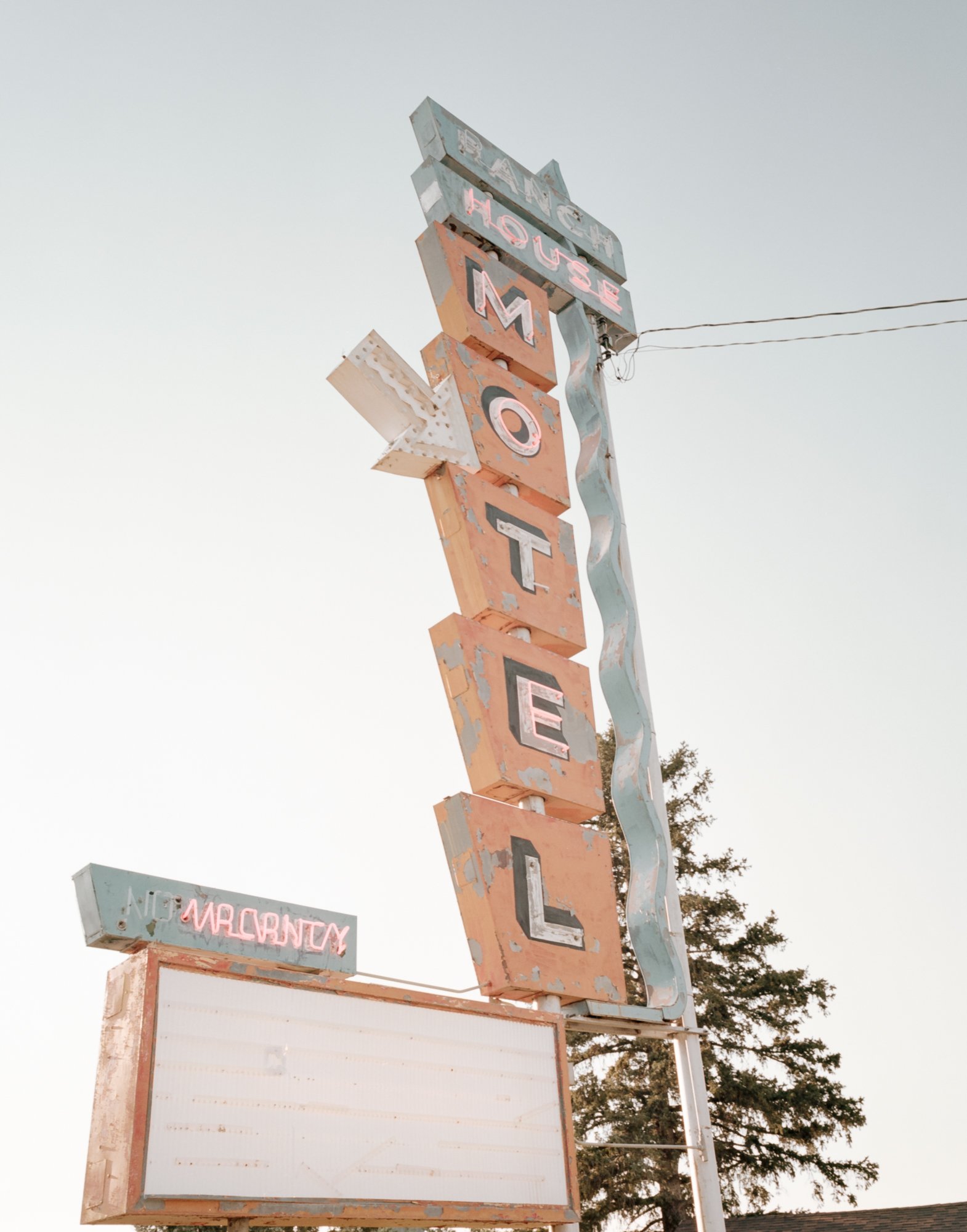
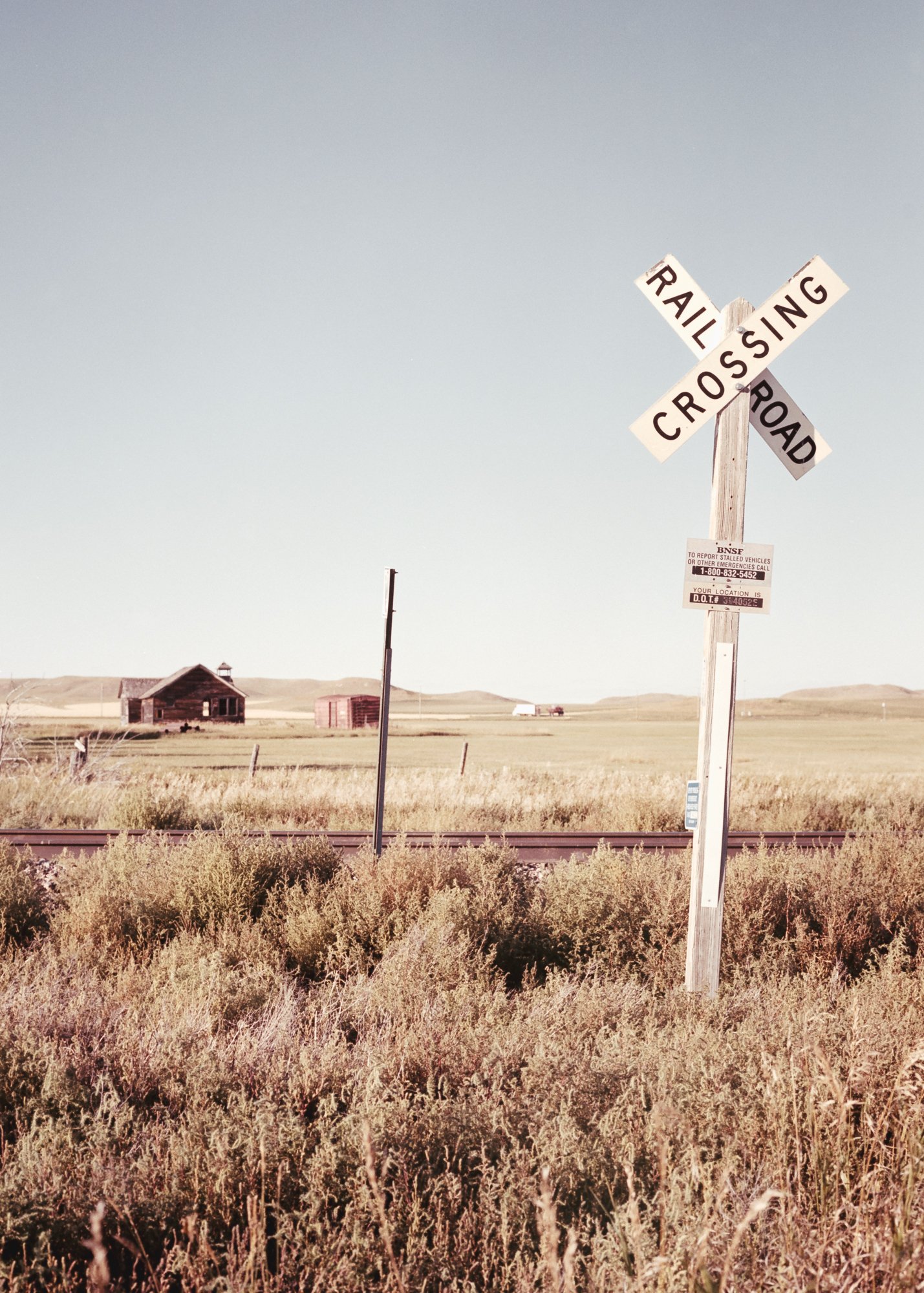
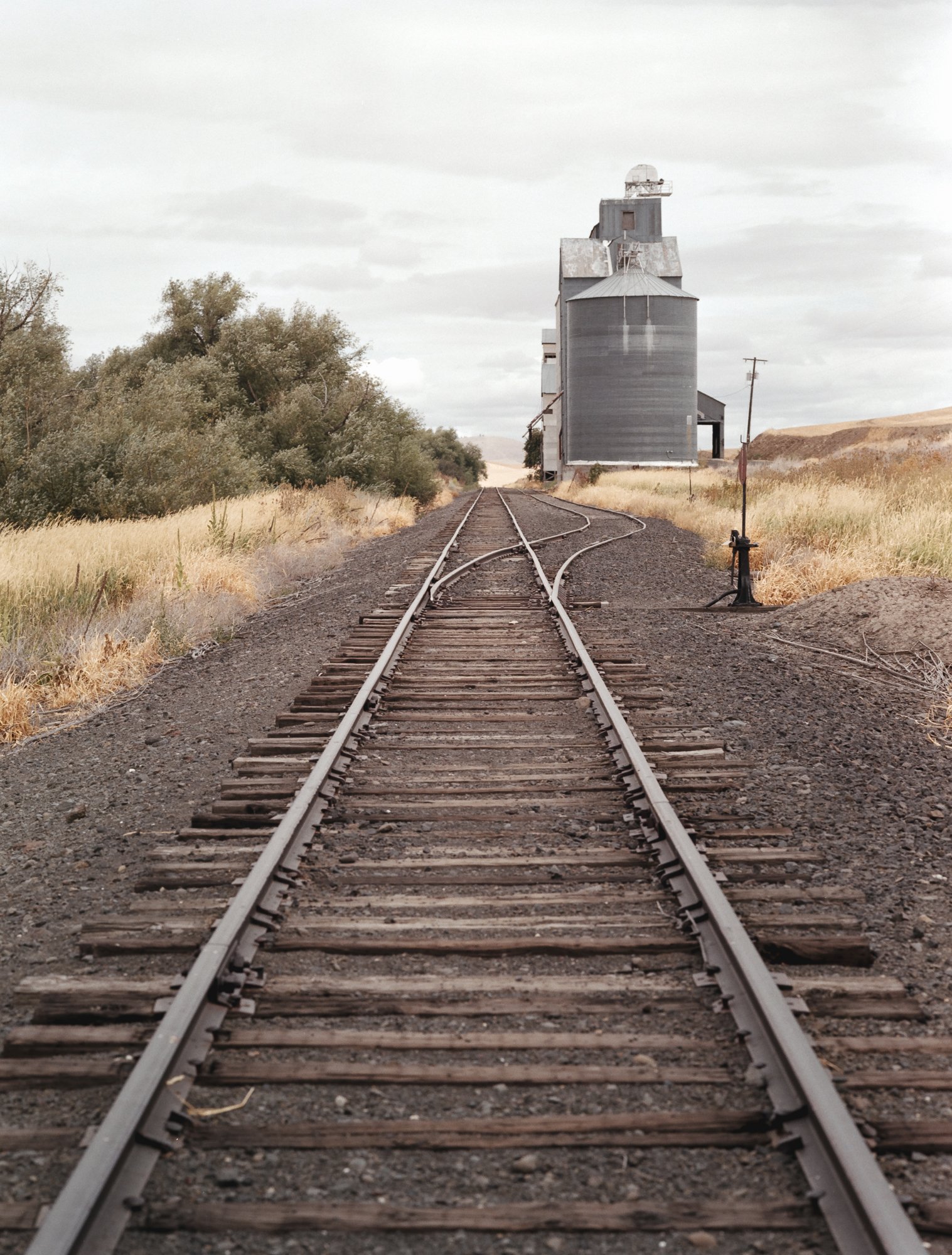
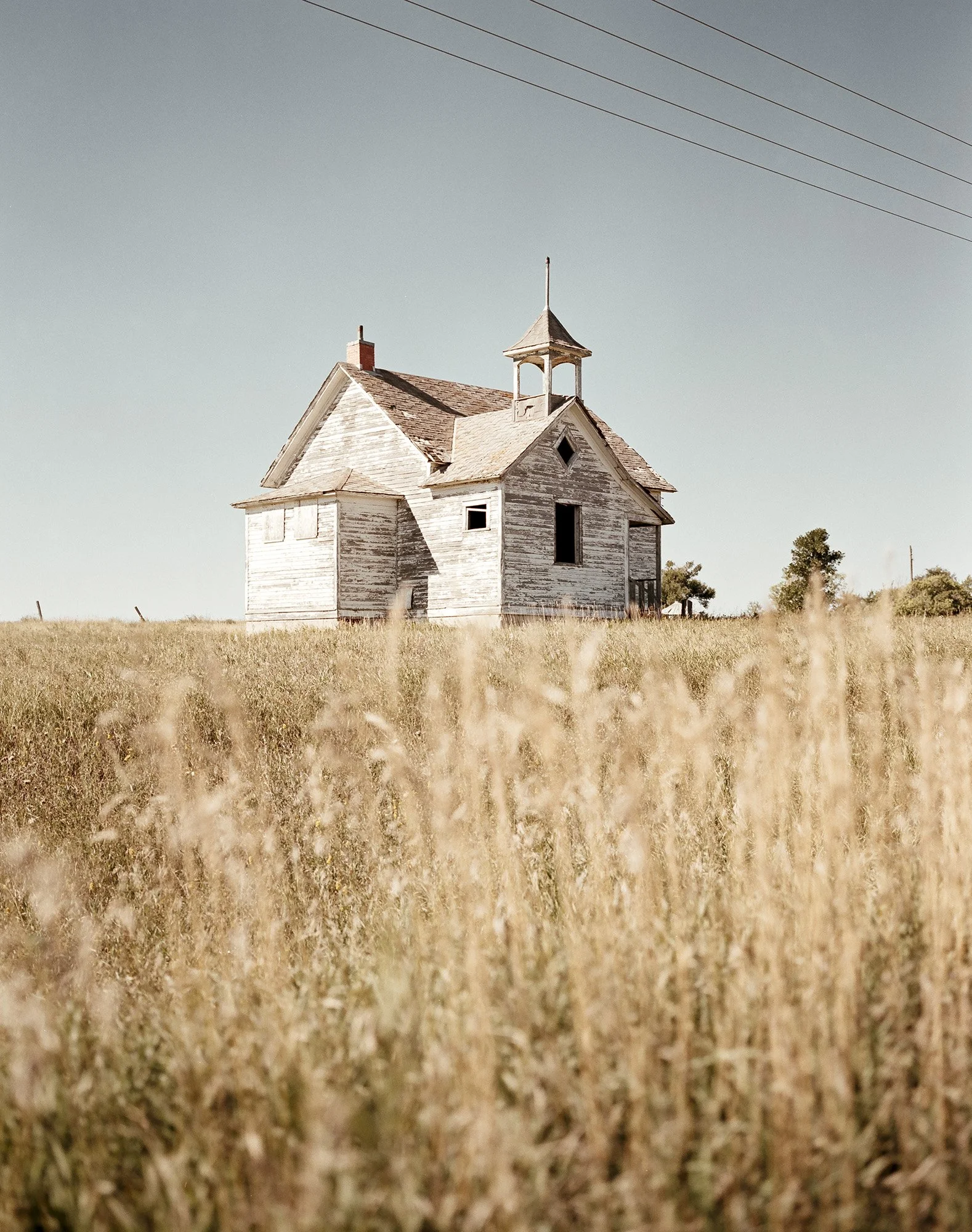
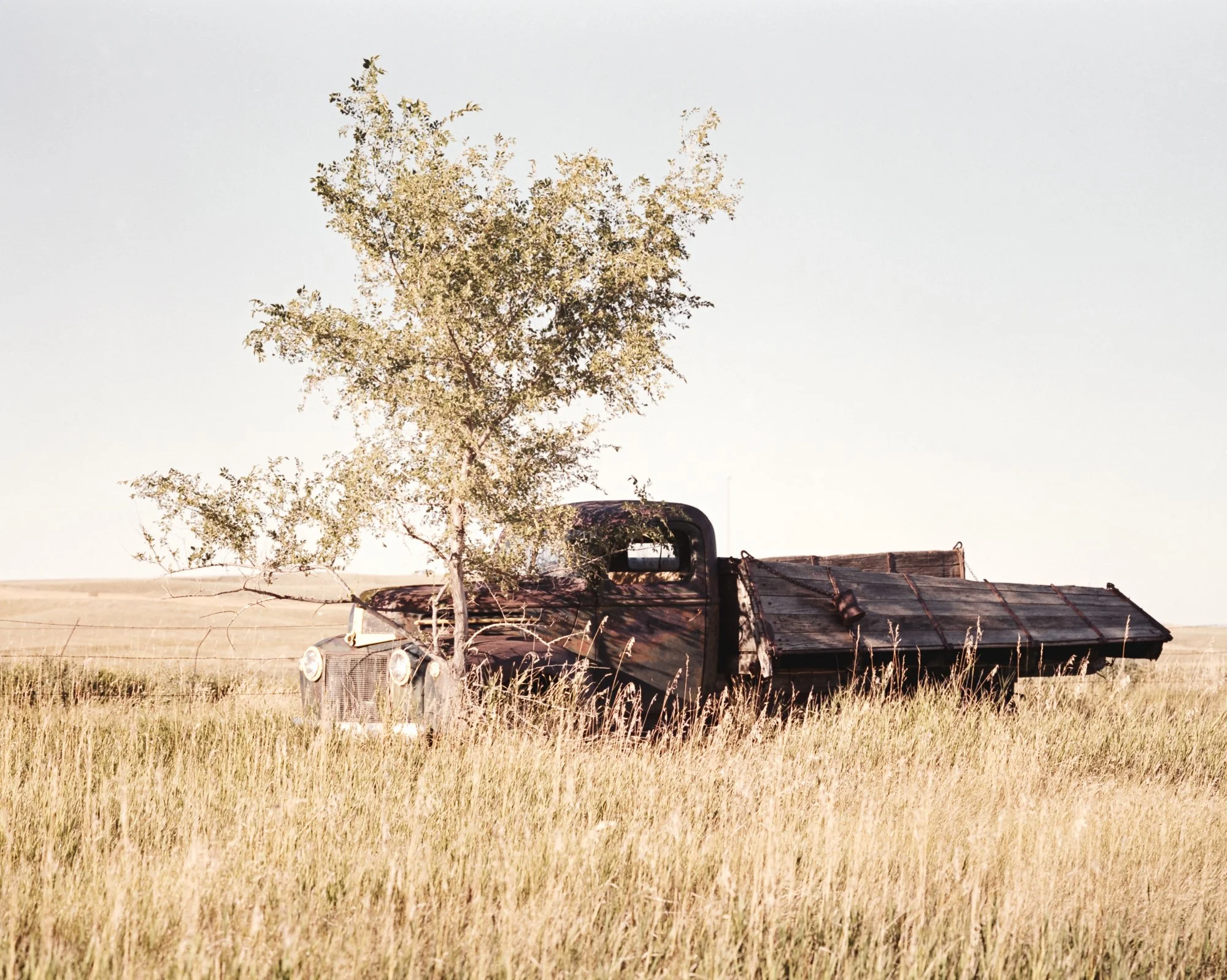
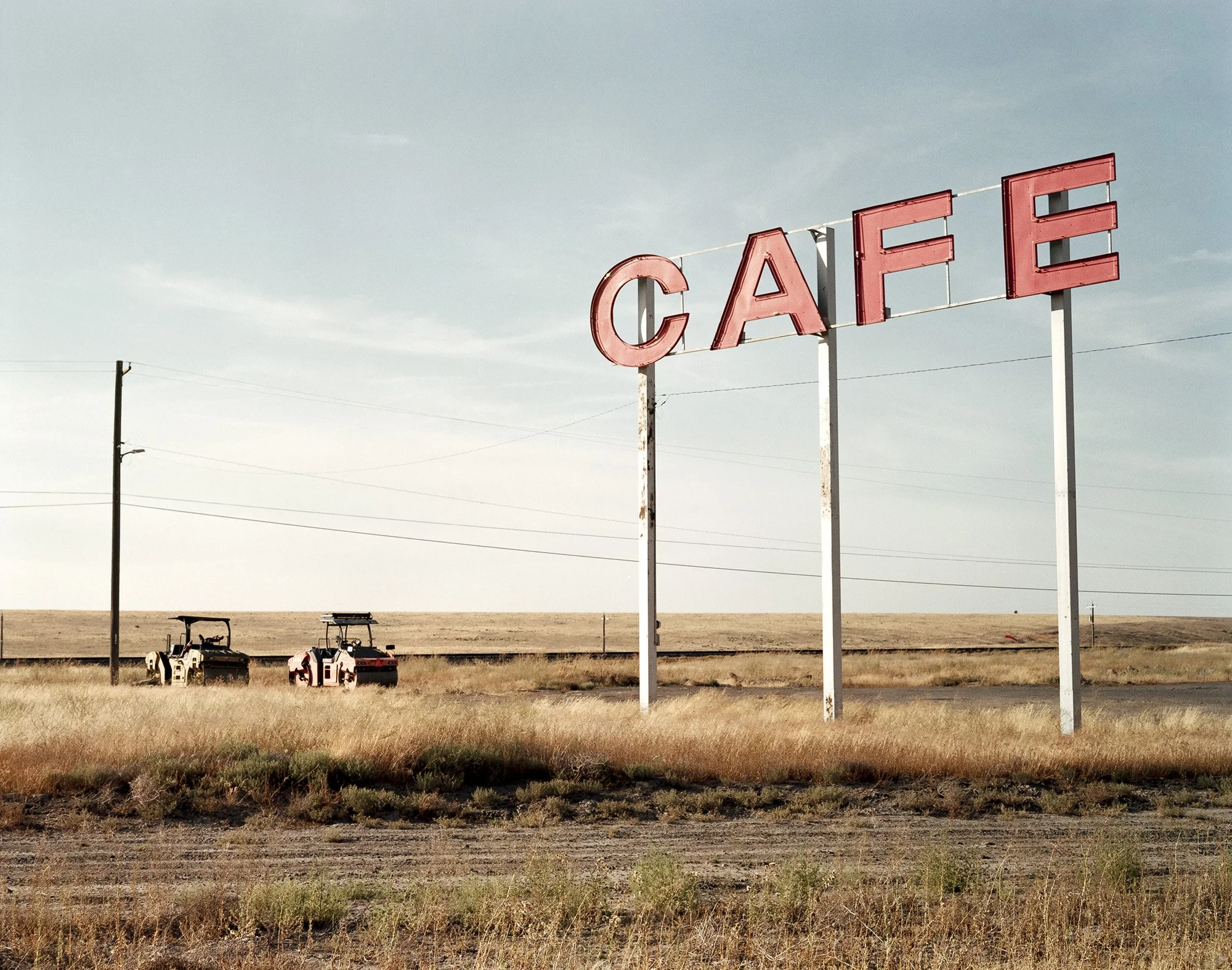
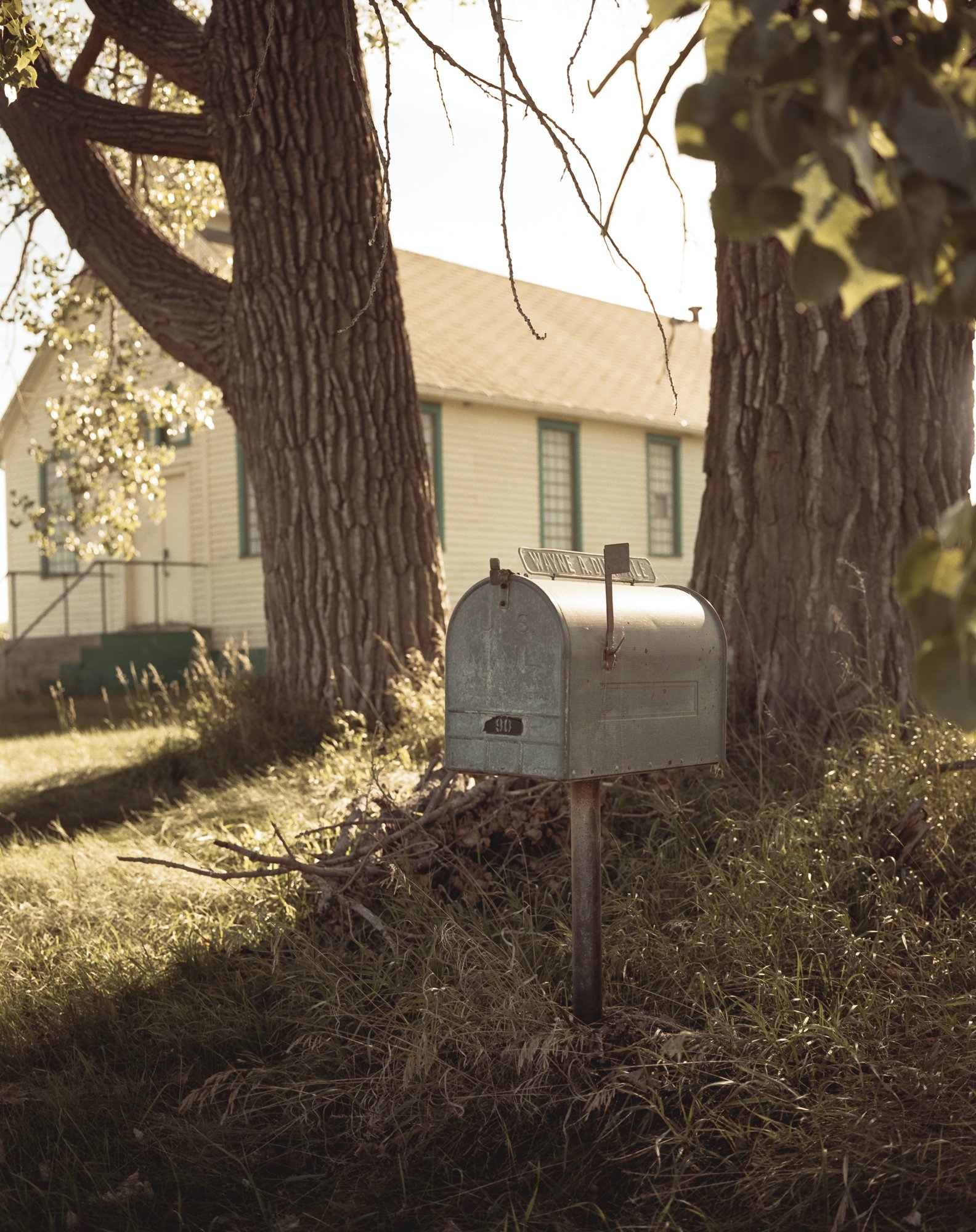
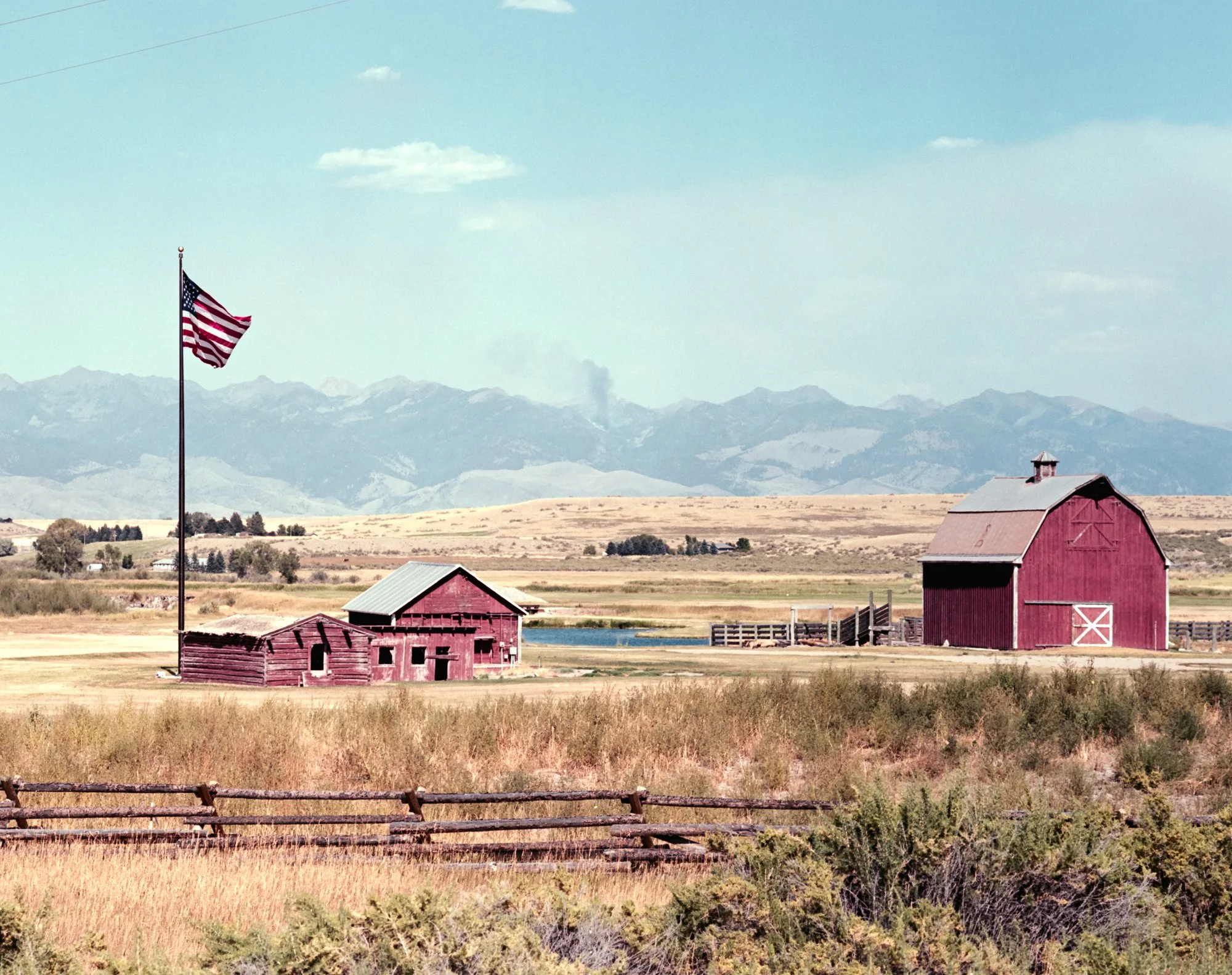
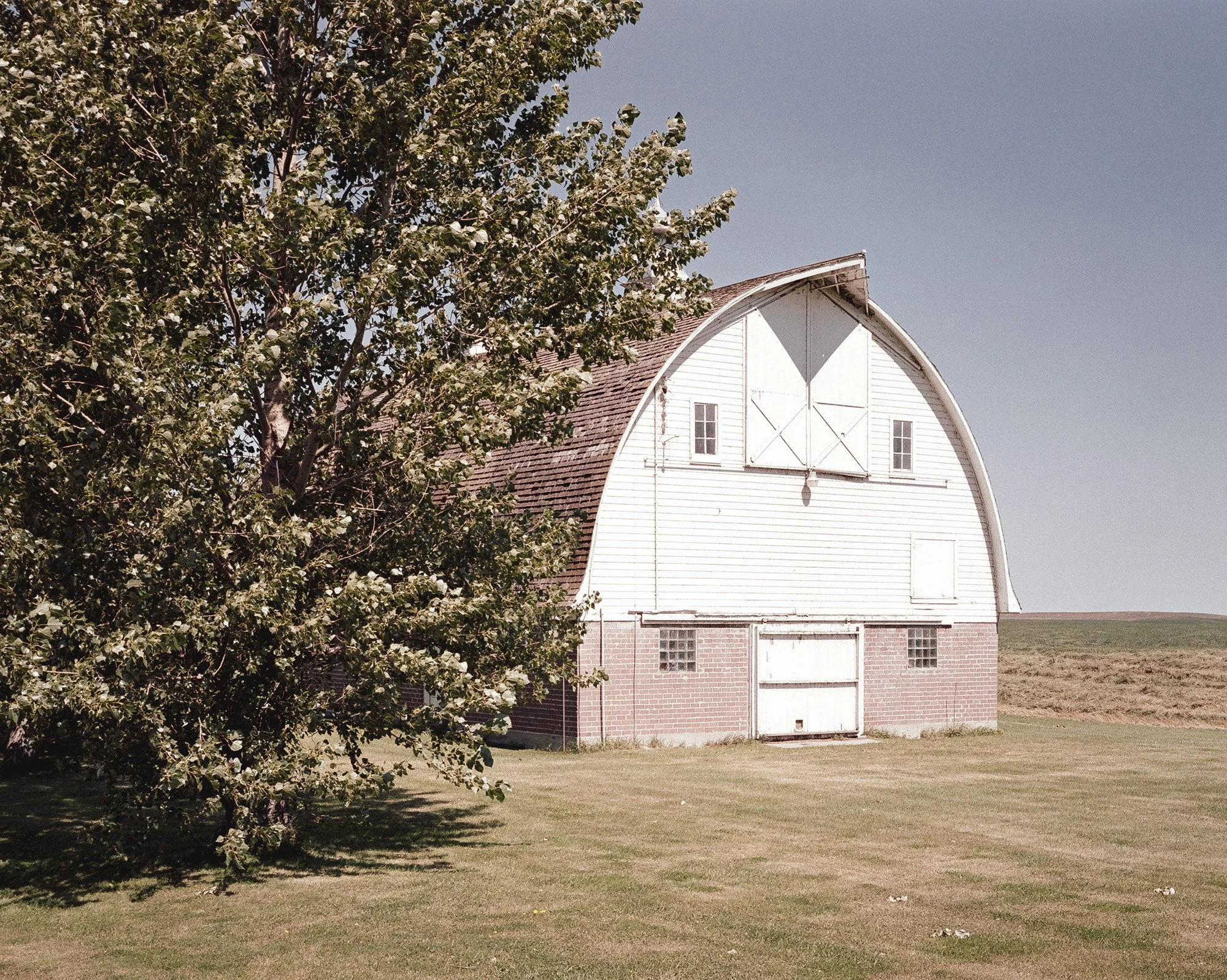
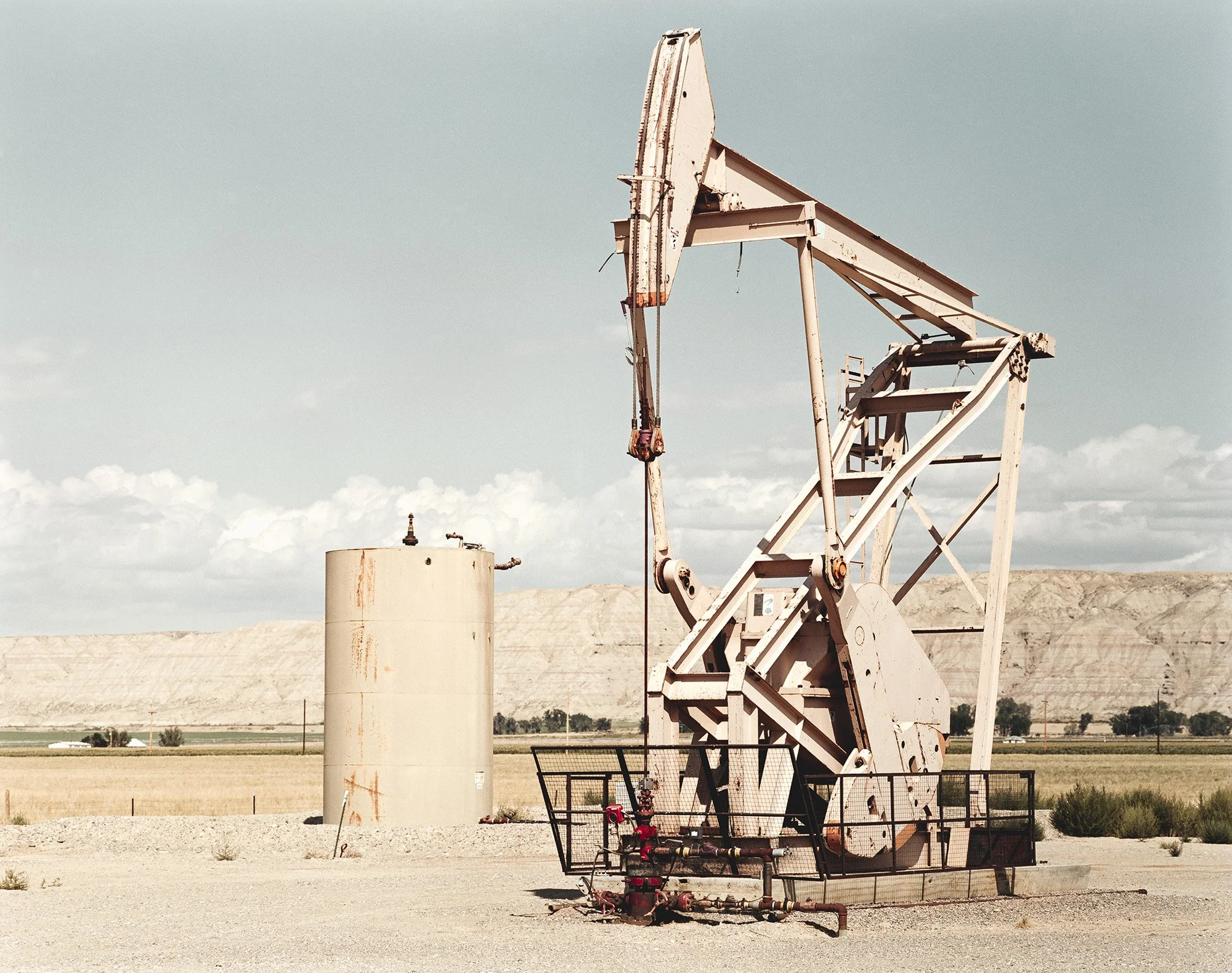
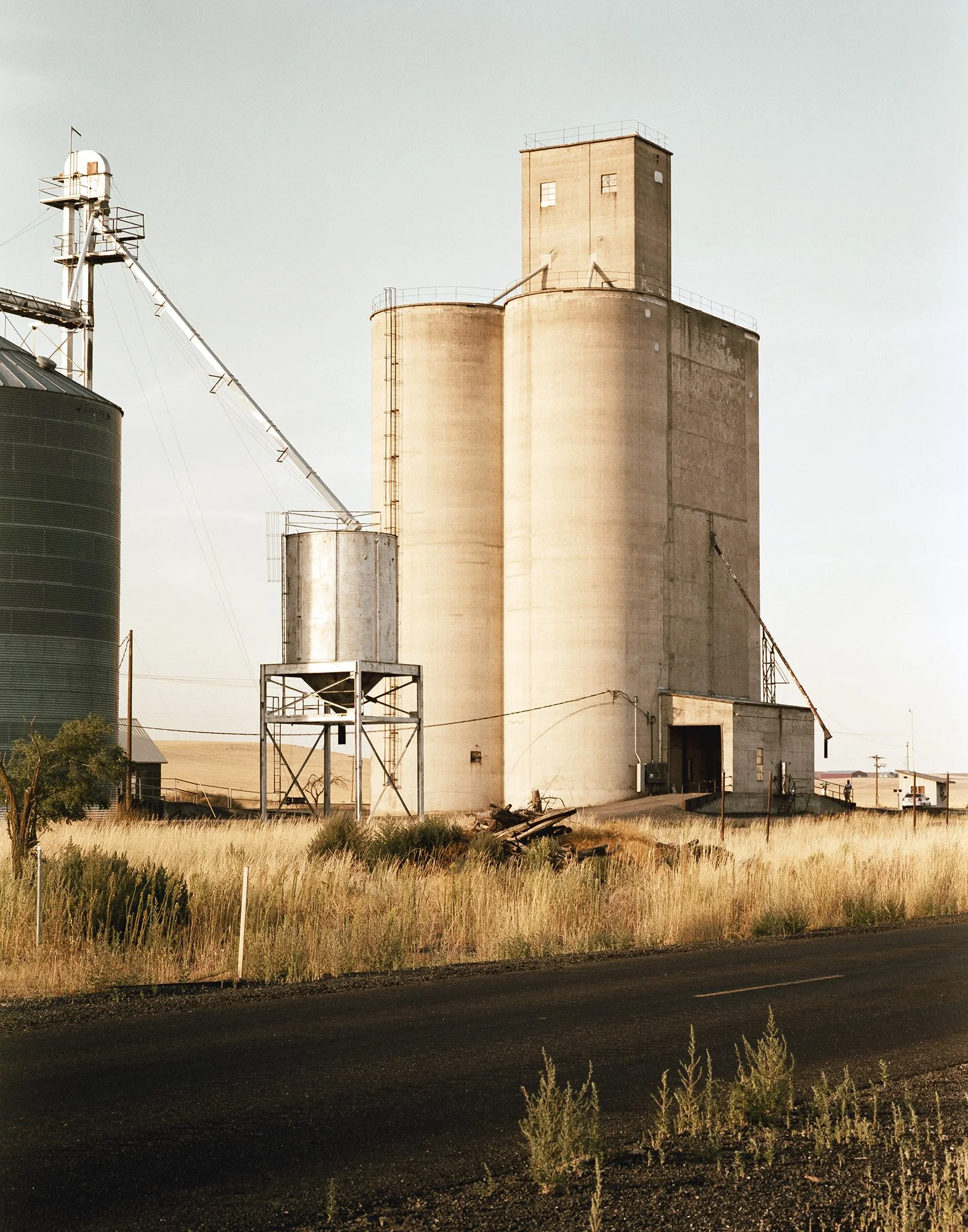
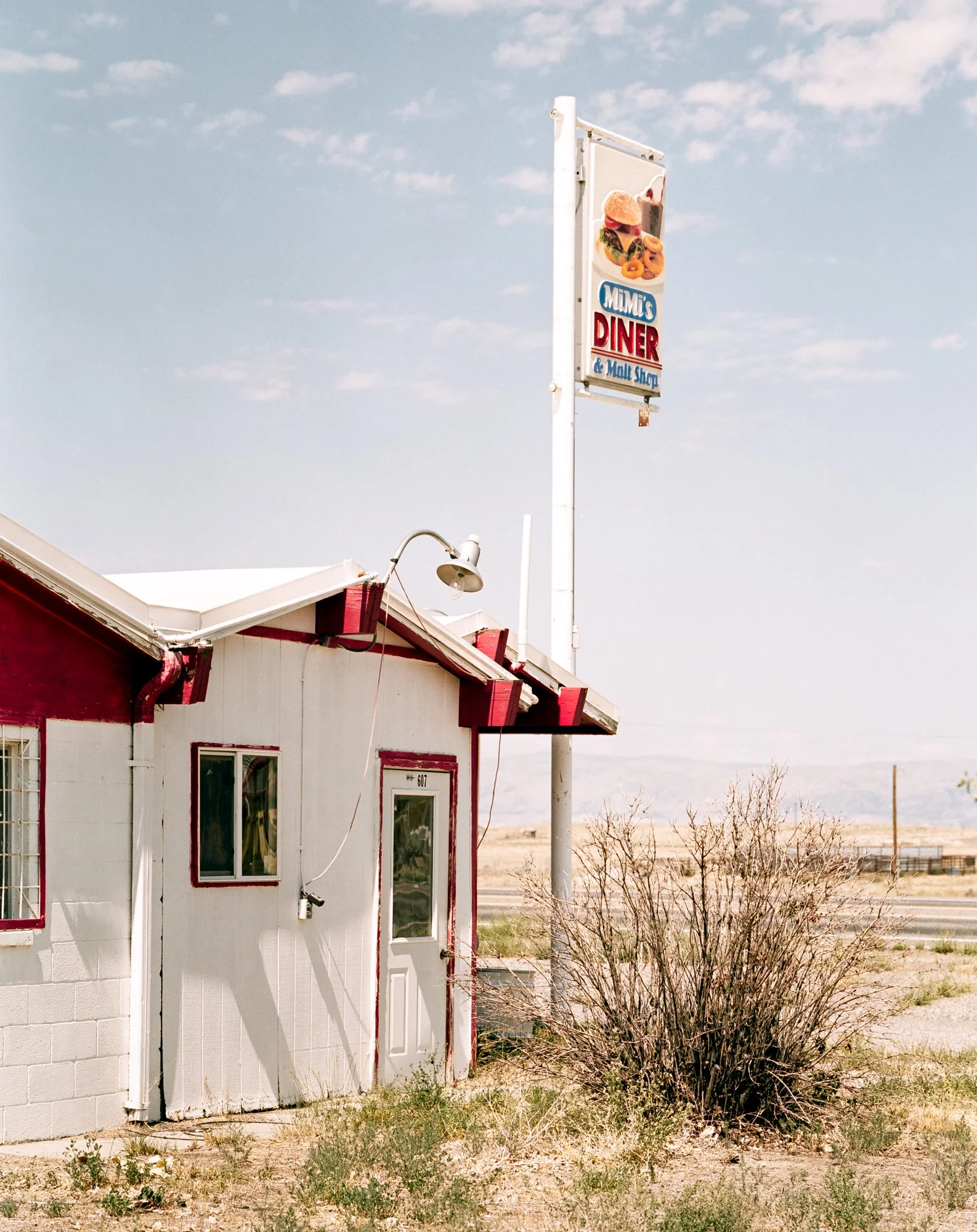
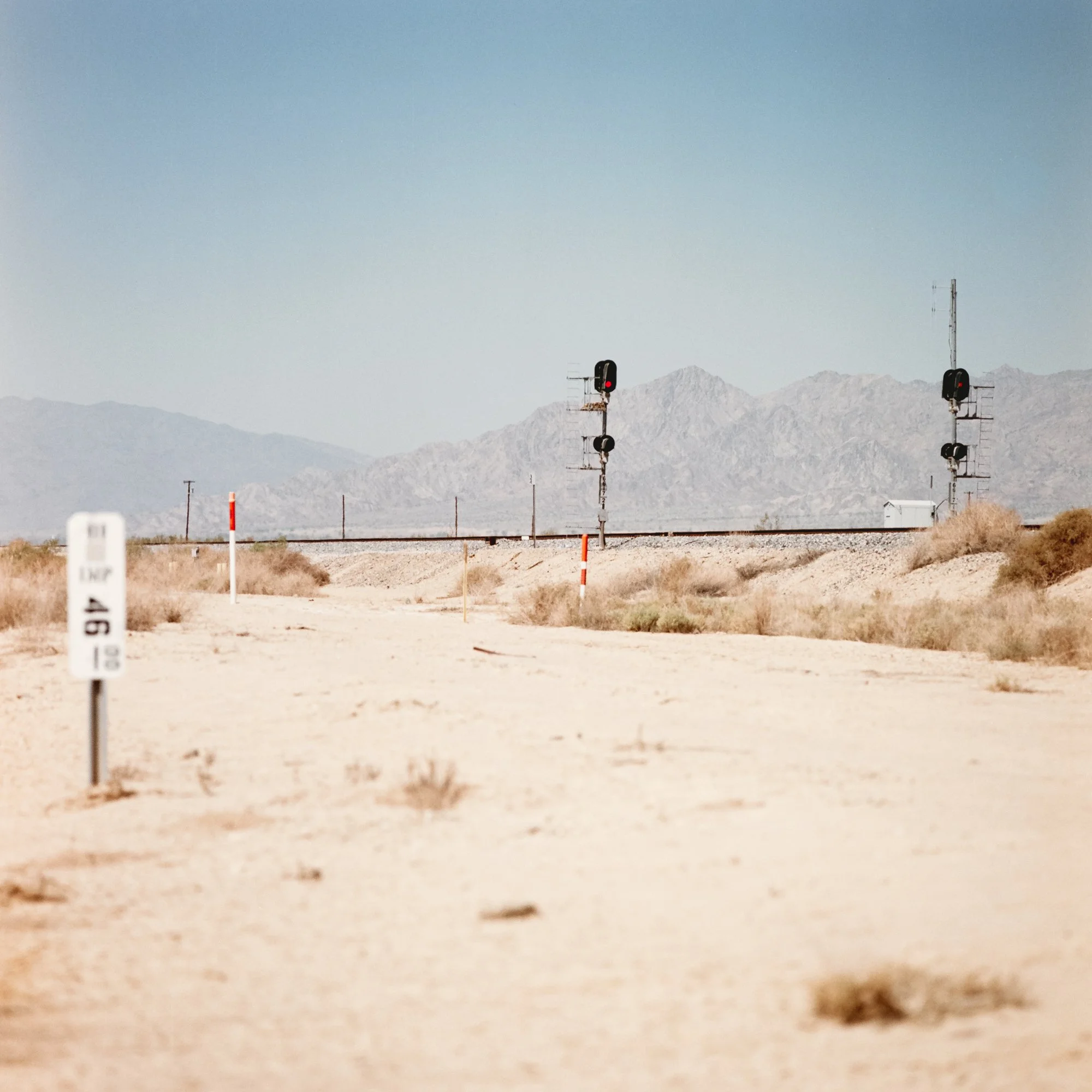
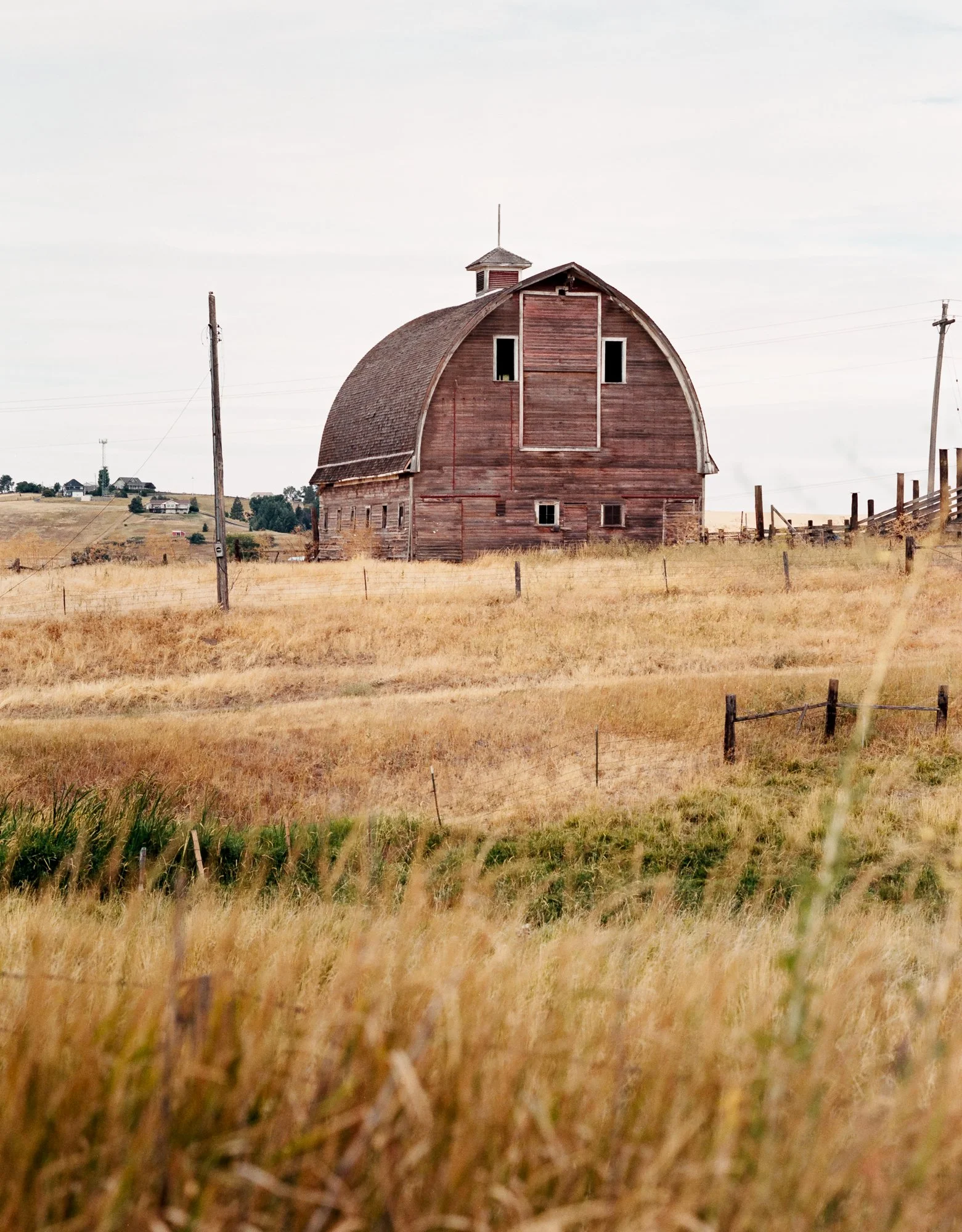
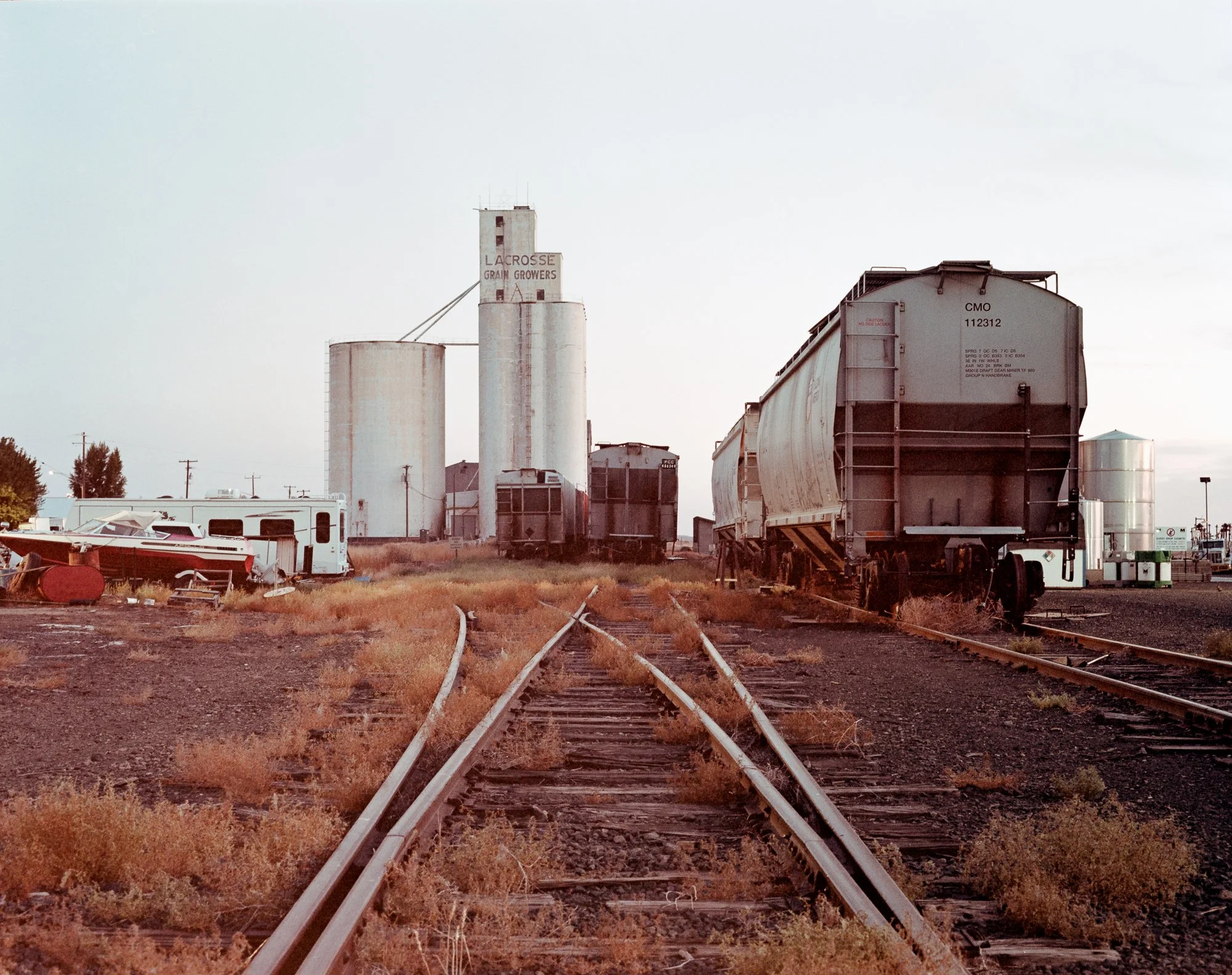
The photographs move through agricultural landscapes, small towns, roadside settlements, and the spaces between them. Grain elevators, farms, railroad lines, schools, churches, homes, gas stations, and other parts of the built environment appear alongside vast stretches of open land. Some remain in daily use; others have been adapted, abandoned, or have outlived the purpose for which they were built.
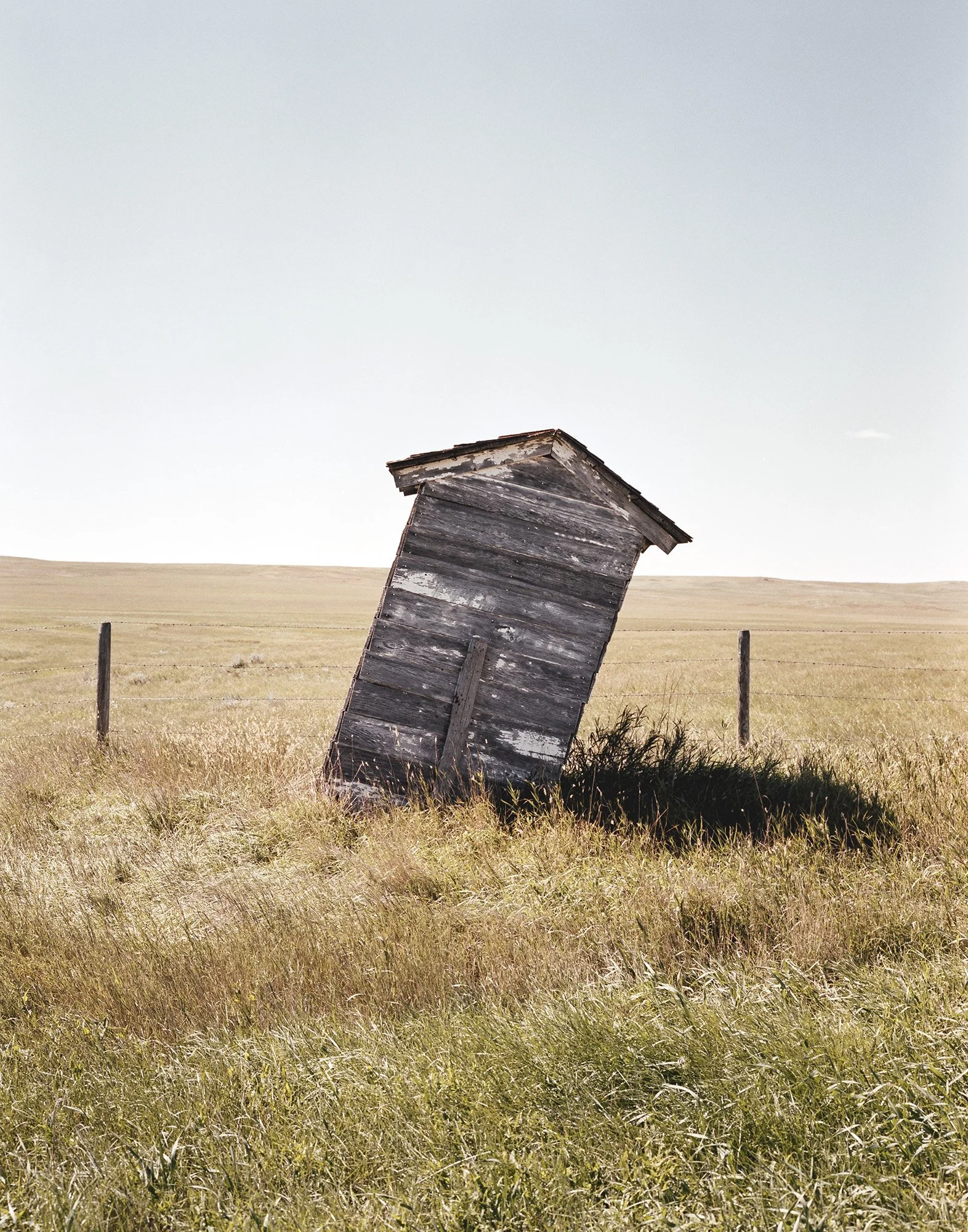
As the project moves into the Great Plains, the openness of the prairie is both strikingly beautiful and quietly demanding. Its scale makes distance tangible and gives even modest structures a particular presence within the landscape. Across these regions, buildings and infrastructure become markers of continuity and change — shaped by agriculture, climate, labor, migration, and shifting economic realities.
The project looks at these places as they exist in the present. Rather than treating abandoned structures as ruins or using the landscape primarily as a vehicle for nostalgia, the photographs show them alongside working farms, occupied homes, active businesses, and new development. Older and newer uses often coexist side by side.
Road to the Midwest follows these layers across a region where long distances and everyday infrastructure are an ordinary part of life. It is concerned with what remains, what changes, and what becomes so familiar to the people who live there that it may otherwise pass unnoticed.
The image proportions of this project range from square to 6×7 and are a deliberate part of its visual language. Working on film within these formats shapes how I frame and organize the landscape.